U.S. Housing Market 2026 — Analysis for Windows & Doors Sector
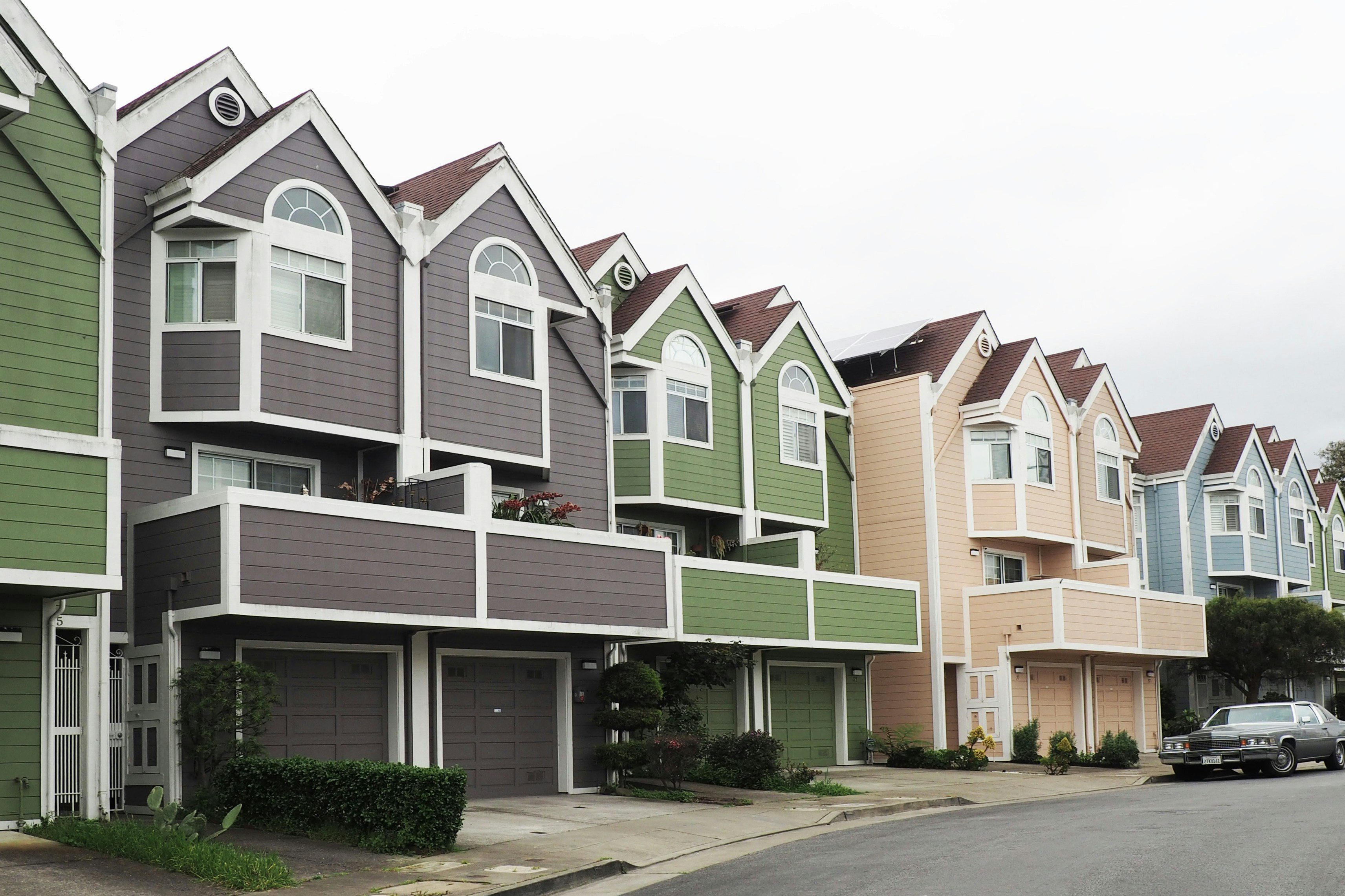
Marcus Lenk on Unsplash
This is Harvard's Joint Center for Housing Studies annual report on U.S. housing conditions. For a windows and doors supplier/manufacturer, the relevant signals span new construction volume, remodeling activity, vacancy trends, and affordability constraints. Here is a sector-focused synthesis.
- New Construction Is Slowing — Fewer New Units to Equip
- Remodeling Is Growing — A Significant Opportunity
- Aging-in-Place Is a Structural Driver
- Energy Efficiency — A Constrained but Present Opportunity
- Build-to-Rent — A Growing Non-Traditional Channel
- Construction Cost Pressures — Input Cost Risk
- Zoning Reform — A Medium-Term New-Build Tailwind
- Key Conclusions for the Windows & Doors Sector
New Construction Is Slowing — Fewer New Units to Equip
New construction fell again in 2025, shrinking the pipeline of new homes that require windows and doors.
- Total housing starts slipped to 1.4 million, down from a 1.6 million peak in 2021. Single-family starts fell sharply — 7 percent in 2025 — to 940,600.
- Completions dropped steeply last year, down 20 percent to 483,700 in 2025, and are poised to keep falling. The number of multifamily units currently under construction dropped 11 percent in 2025.
- The slowdown is likely to persist, driven by affordability pressures, economic uncertainty, and the conflict in Iran pushing up rates and inflation.
Sector implication: Near-term demand from new construction — a primary channel for windows and doors — is declining.
Remodeling Is Growing — A Significant Opportunity
The remodeling segment is expanding and represents a major compensating opportunity for the windows and doors market.
- Owner improvement spending grew more than 1 percent to $376 billion in 2025 and now rivals new single-family construction spending ($419 billion).
- The housing stock is aging rapidly, driving greater maintenance and upgrade expenditure. As of 2024, owner-occupied homes have a median age of 42 years, up from 33 years in 2010. The median age of rental units is even higher, at 43 years in 2024.
- Older homes require disproportionately more spending. Owners of homes built before 1940 spent an average of $6,700 per year on improvements and repairs — about 50 percent more than those in homes built in 2010 or later.
- Remodeling's share of total construction spending has grown substantially, rising to 41 percent in 2025 from 34 percent in 2015.
Sector implication: Retrofit and replacement windows and doors — driven by an aging housing stock — are the clearest near-term growth vector.
Aging-in-Place Is a Structural Driver
An aging population is increasing demand for accessible home modifications, which directly includes door and window upgrades.
- The 65+ population grew from 48 million to 65 million between 2015 and 2025, reaching 19 percent of the total population.
- More than half of all professional remodelers were involved in home modifications to support aging in place in 2024.
- Growth will be even sharper among householders age 80 and over, whose ranks are projected to double from 9.6 million in 2025 to 19.2 million in 2045.
Sector implication: Accessible door systems (wider openings, lever hardware, low-threshold entries) and easy-to-operate windows will see sustained long-term demand.
Energy Efficiency — A Constrained but Present Opportunity
Energy costs are rising sharply, increasing consumer motivation for energy-efficient windows and doors, though federal incentive programs have been weakened.
- Residential electricity costs rose more than 30 percent from 2020 to 2025.
- 43.6 million households experienced energy insecurity in 2024.
- The 2025 federal budget reconciliation law prematurely ended Inflation Reduction Act tax credits that supported energy-efficiency retrofits to the aging housing stock.
- However, some state and local programs continue to advance electrification and retrofit work.
Sector implication: Consumer demand for energy-efficient glazing and insulated door systems remains, but federal subsidy tailwinds have weakened. State-level programs offer patchwork opportunities.
Build-to-Rent — A Growing Non-Traditional Channel
The build-to-rent single-family segment is expanding significantly.
In 2025, 106,000 completed single-family homes were built for rent, representing 11 percent of single-family completions — nearly three times the 4 percent (38,000 units) averaged annually in the 2000s and 2010s.
Sector implication: Build-to-rent developers are a growing procurement channel, potentially ordering windows and doors in volume with standardized specifications.
Construction Cost Pressures — Input Cost Risk
Rising material costs affect the entire supply chain and could squeeze margins or dampen builder demand.
- Combined construction input prices have jumped 40 percent since 2020, with steel mill products up 84 percent through April 2026.
- New tariffs drove further price increases in 2025.
- Because foreign-born workers make up a disproportionately large share of the construction labor force, restrictive immigration policies and aggressive deportations risk pushing costs even higher.
Sector implication: Upstream cost pressure on steel, glass, and labor will affect both suppliers and their builder customers, potentially depressing order volumes or requiring price adjustments.
Zoning Reform — A Medium-Term New-Build Tailwind
A wave of zoning reforms is creating conditions for more diverse housing types — townhomes, ADUs, multifamily — all relevant product categories for windows and doors manufacturers.
- Townhomes rose to 18 percent of single-family completions in 2025, up from 13 percent in 2022.
- States including Arkansas and Iowa are now allowing ADUs and multifamily development in single-family zones.
- Eleven states and five cities have updated codes to permit single stairways in 4- to 6-story buildings.
Sector implication: ADUs, townhomes, and mid-rise multifamily represent growing product mix needs — potentially calling for smaller or more standardized window and door configurations at higher volumes.
Key Conclusions for the Windows & Doors Sector
| Theme | Direction | Timeframe |
|---|---|---|
| New single-family construction | Declining | Near-term |
| New multifamily pipeline | Contracting | Near-term |
| Remodeling / replacement | Growing | Now & ongoing |
| Aging-in-place modifications | Structural growth | Long-term |
| Energy-efficiency retrofits | Demand present, subsidies reduced | Mixed |
| Build-to-rent channel | Expanding rapidly | Near-term |
| Townhomes & ADUs | Growing share | Medium-term |
| Material & labor cost pressure | Upward | Ongoing |
The core strategic takeaway: remodeling and replacement is the sector's most reliable near-term revenue driver as new construction volumes shrink. The aging housing stock, aging population, and rising energy costs create durable demand for retrofit and upgrade activity — precisely where windows and doors replacement plays a central role.
Top Photo: Marcus Lenk on Unsplash
Other related articles

-378x274.jpg)
Get our latest articles!
New and better



Subscribe to updates
Get the latest guides and industry news delivered to your inbox.