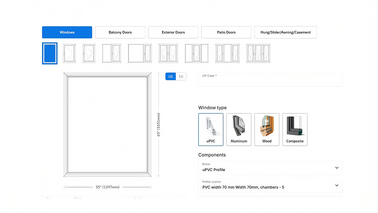
GlassBase, a platform built for the window and door industry, offers a Window Energy Performance Calculator designed for preliminary product selection. The tool follows international ISO 10077 methodology, combining glaz...
This is Harvard's Joint Center for Housing Studies annual report on U.S. housing conditions. For a windows and doors supplier/manufacturer, the relevant signals span new construction volume, remodeling activity, vacancy...
Imagine starting each week with a list of buyers who already need exactly what you do. No cold outreach. No bidding wars. No guessing whether the ad spend paid off. Just real projects, matched to your shop, ready for an...
A homeowner planning a full window replacement, an architect speccing storefront glazing, a GC lining up subs for a commercial build. They all tend to start the same way now. They open a platform built for the industry a...
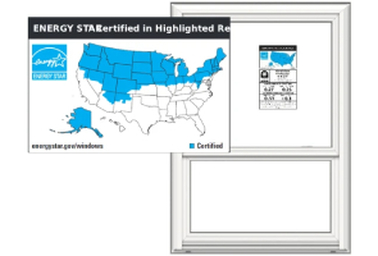
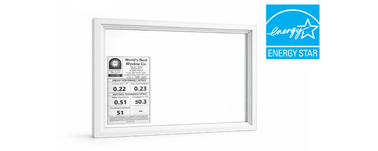
What "ENERGY STAR" on a Window Actually Means ENERGY STAR is a pass/fail certification from the EPA. As the EPA confirms, a window earns it by meeting minimum U-Factor and, where applicable, Solar Heat Gain Coefficient (...
Energy Star windows are the national benchmark for residential window efficiency in the United States, helping homeowners reduce heating and cooling costs while meeting strict federal performance standards. Backed by the U.S. Environmental Protection Agency (EPA) and the Department of Energy (DOE), the label confirms that a specific window configuration complies with regional efficiency criteria based on verified testing data.
For manufacturers, certification is not a marketing slogan—it is a regulated compliance pathway. To qualify, products must meet clearly defined Energy Star window requirements, supported by independently certified performance metrics, including NFRC. For homeowners, the label simplifies complex technical comparisons and provides confidence that the window meets enhanced efficiency standards for their region.
Who Should Care?
Homeowners planning to replace aging windows should pay close attention to the ENERGY STAR label, as it directly affects long-term energy savings and indoor comfort. Buyers of newly constructed homes should confirm that the specified windows meet current ENERGY STAR criteria, especially as codes and efficiency standards continue to tighten. Contractors benefit from offering certified products because they reduce liability, strengthen project credibility, and may help clients qualify for rebates or tax incentives. Manufacturers entering the U.S. market should understand that ENERGY STAR certification is often a baseline requirement for distribution, partnerships, and competitive positioning nationwide.
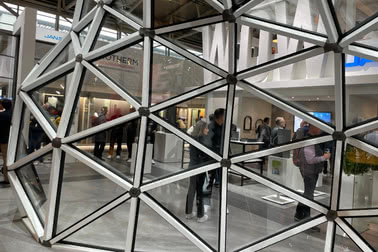
The standard curtain wall system is built on repetition. The same mullion profile, the same connector, the same node — repeated across thousands of square feet. That logic is efficient and code-friendly, but it caps what...
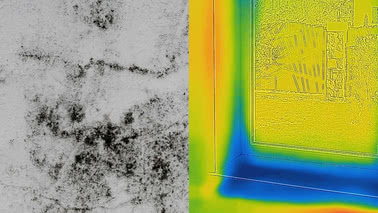
Mold on a window reveal is not a random visitor. It follows a specific chain of events: excess moisture in the air, condensation on a cold surface, then mold colonizing the wet film. Understand each link, and the fix sto...
Manufacturers market windows as "burglar-resistant" constantly, yet no federal law defines the term. Unlike fire ratings or hurricane codes, burglary resistance in the U.S. rests on voluntary test standards, insurance pr...
This piece draws on guidance from federal agencies — the U.S. Environmental Protection Agency (EPA) and Department of Energy (DOE), which jointly run the ENERGY STAR program, and the Federal Emergency Management Agency (...
If you're replacing windows or building a new home, you'll likely run into the term "blower door test." Builders mention it. Energy raters require it. Local codes often mandate it. This guide explains what the test measu...
A window consists of a glass unit, a frame profile, and hardware. The glass unit itself includes another component that has an outsized effect on the whole assembly's performance: the spacer — the bar or strip that separ...
Low-emissivity glass — universally shortened to Low-E glass — is glass treated with an ultra-thin, virtually invisible coating designed to reduce the amount of infrared and ultraviolet energy that passes through it, with...



-378x274.jpg)