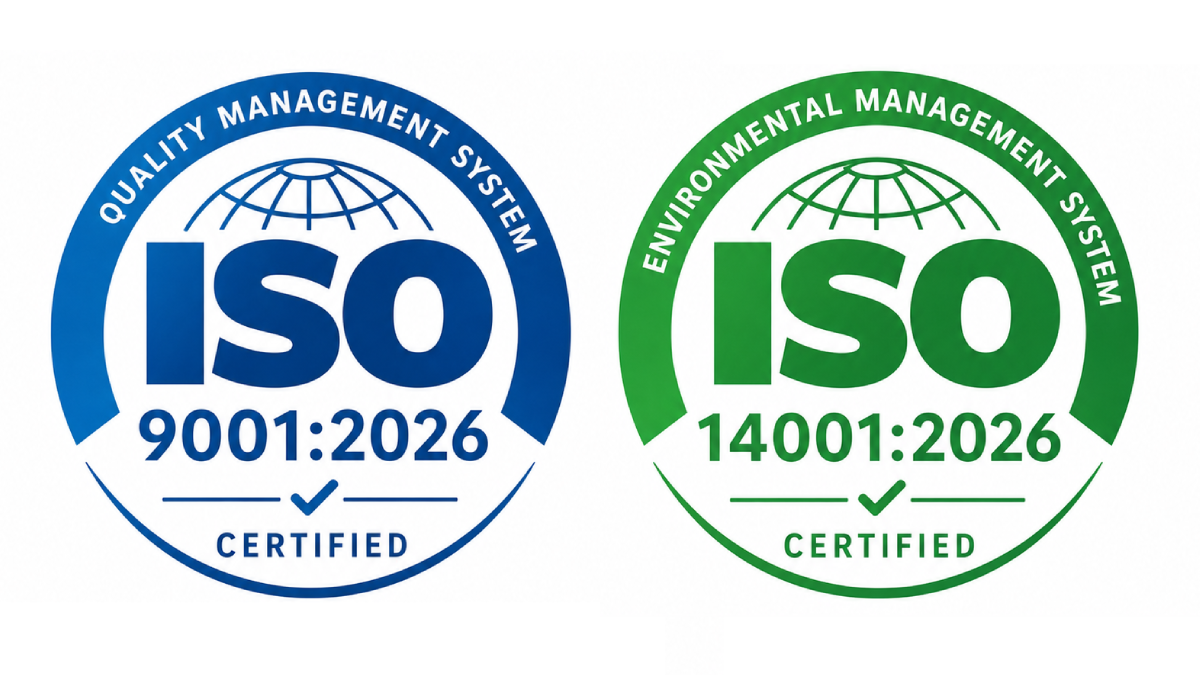
ISO Made Your Quality Binder Obsolete: the New ISO 9001 & 14001 Revisions
Updated ISO 9001 and ISO 14001 standards are driving new requirements for quality management, climate risk assessment, and operational accountability.
Illustration: OpenAI DALL·E.
ISO Made Your Quality Binder Obsolete: the New ISO 9001 & 14001 Revisions

ISO Certifications Group is reporting that revised versions of two globally recognized management standards — ISO 9001 (quality management) and ISO 14001 (environmental management) — took effect in 2026, introducing requirements that will directly affect how U.S. window, door, and glazing manufacturers operate, document their processes, and manage their supply chains.
The updates mark a significant departure from decades of compliance culture built around thick procedure manuals and annual audit check-ins. Under the 2026 framework, auditors are no longer satisfied with documented procedures sitting unused on a shelf. They now evaluate whether a company's management system is genuinely integrated into daily operations and whether employees actually understand and use it.
The ISO 9001:2026 revision puts a sharper focus on employee competency and leadership engagement. C-suite executives must show they actively use the quality management system to drive decisions. Auditors will also probe how companies retain institutional knowledge — a growing concern in manufacturing facilities facing workforce transitions.
The environmental standard, ISO 14001:2026, introduces equally significant changes. The updated standard now formally requires companies to account for climate-related risks in their strategic planning. That includes assessing how climate change affects procurement and supplier performance — a clause with direct implications for glazing manufacturers managing raw material sourcing, glass supply chains, and logistics under ongoing tariff pressure.
The 2026 environmental revision also tightens requirements around life-cycle thinking. Manufacturers will need to document how their products — including IGUs, low-E glass coatings, and thermally broken frame systems — are managed through disposal or recycling, not just through the production process. This aligns with broader trends toward sustainability transparency that are showing up in commercial construction specifications and retrofit project procurement.
For companies already certified to ISO 14001:2015, ISO Certifications Group has outlined a three-year transition window running through May 2029. The body recommends voluntary pre-assessments in 2026 and 2027 to identify gaps before a formal transition audit in 2028.
ISO Certifications Group also notes that the 2026 revisions align ISO 9001 and ISO 14001 within a common Harmonized Structure, making it easier for manufacturers to run integrated management systems alongside ISO 45001 (occupational health and safety) or ISO 50001 (energy management) — the latter being directly relevant for facilities working to meet tightening state and local energy codes.
The updates mark a significant departure from decades of compliance culture built around thick procedure manuals and annual audit check-ins. Under the 2026 framework, auditors are no longer satisfied with documented procedures sitting unused on a shelf. They now evaluate whether a company's management system is genuinely integrated into daily operations and whether employees actually understand and use it.
The ISO 9001:2026 revision puts a sharper focus on employee competency and leadership engagement. C-suite executives must show they actively use the quality management system to drive decisions. Auditors will also probe how companies retain institutional knowledge — a growing concern in manufacturing facilities facing workforce transitions.
The environmental standard, ISO 14001:2026, introduces equally significant changes. The updated standard now formally requires companies to account for climate-related risks in their strategic planning. That includes assessing how climate change affects procurement and supplier performance — a clause with direct implications for glazing manufacturers managing raw material sourcing, glass supply chains, and logistics under ongoing tariff pressure.
The 2026 environmental revision also tightens requirements around life-cycle thinking. Manufacturers will need to document how their products — including IGUs, low-E glass coatings, and thermally broken frame systems — are managed through disposal or recycling, not just through the production process. This aligns with broader trends toward sustainability transparency that are showing up in commercial construction specifications and retrofit project procurement.
For companies already certified to ISO 14001:2015, ISO Certifications Group has outlined a three-year transition window running through May 2029. The body recommends voluntary pre-assessments in 2026 and 2027 to identify gaps before a formal transition audit in 2028.
ISO Certifications Group also notes that the 2026 revisions align ISO 9001 and ISO 14001 within a common Harmonized Structure, making it easier for manufacturers to run integrated management systems alongside ISO 45001 (occupational health and safety) or ISO 50001 (energy management) — the latter being directly relevant for facilities working to meet tightening state and local energy codes.
Related news
Industry media
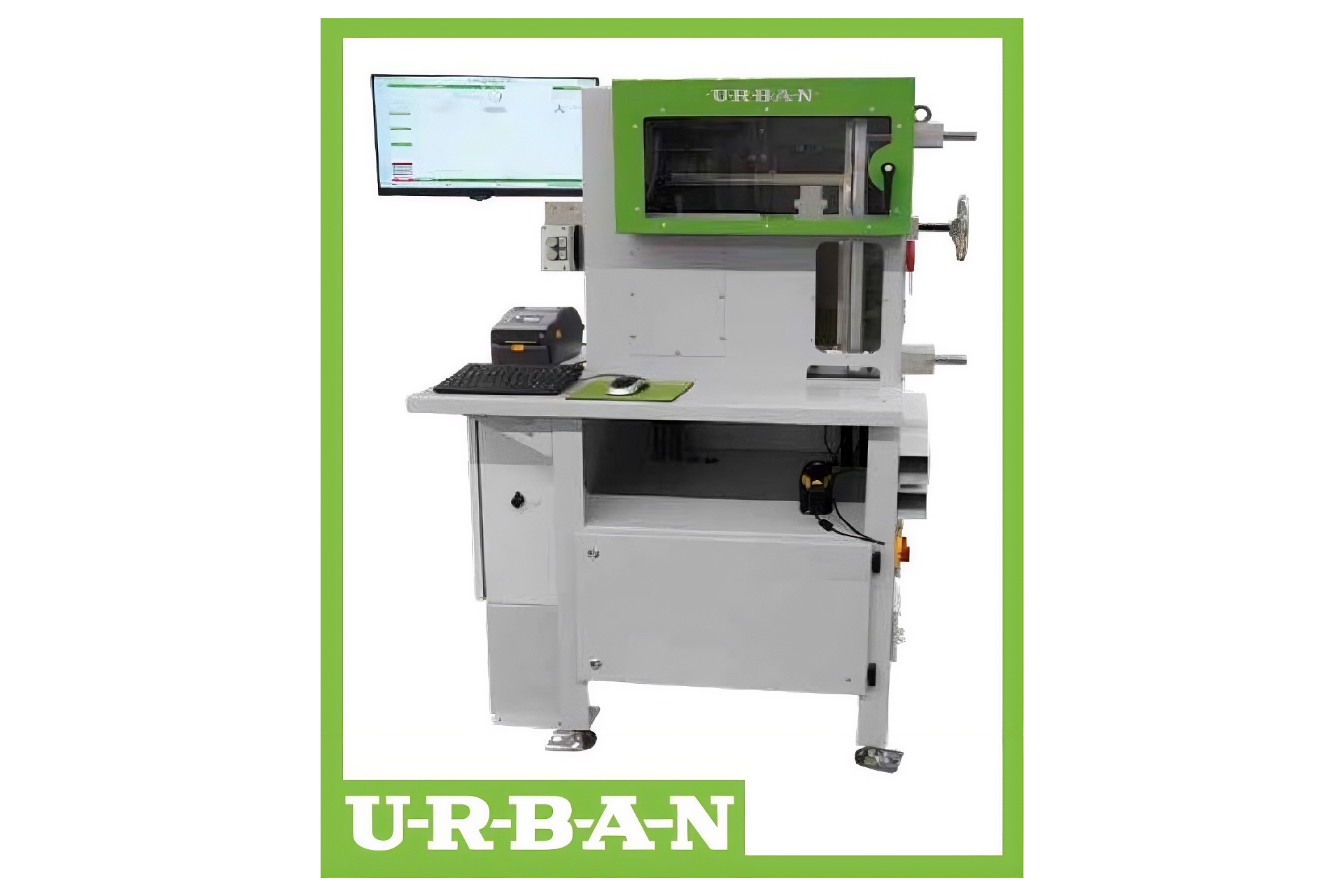
URBAN Showcased New Corner Break Tester at GlassBuild America in Las Vegas
Oct 12, 2026
Industry media
ISO 9001:2026 Takes Effect as Window and Door Manufacturers Face New Certification Requirements
Oct 09, 2026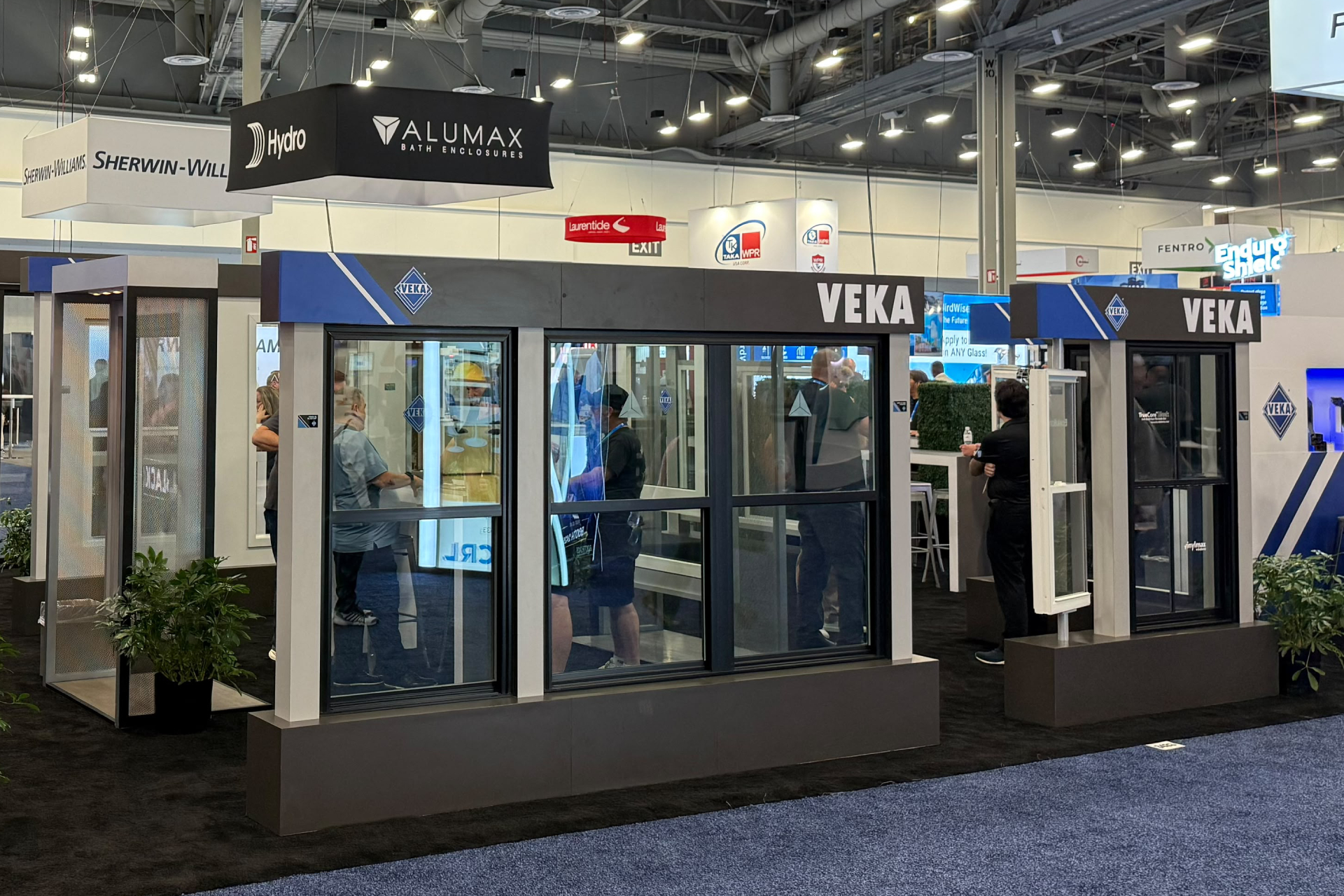
Industry media
VEKA North America Showcases Aperture Vinyl Window System with Ultra-Slim Sightlines at GlassBuild 2026
Oct 08, 2026
Industry media
Kömmerling Showcases German-Engineered Window and Door Systems at GlassBuild America 2026
Oct 07, 2026Get our latest news!
Latest & Best
Industry media
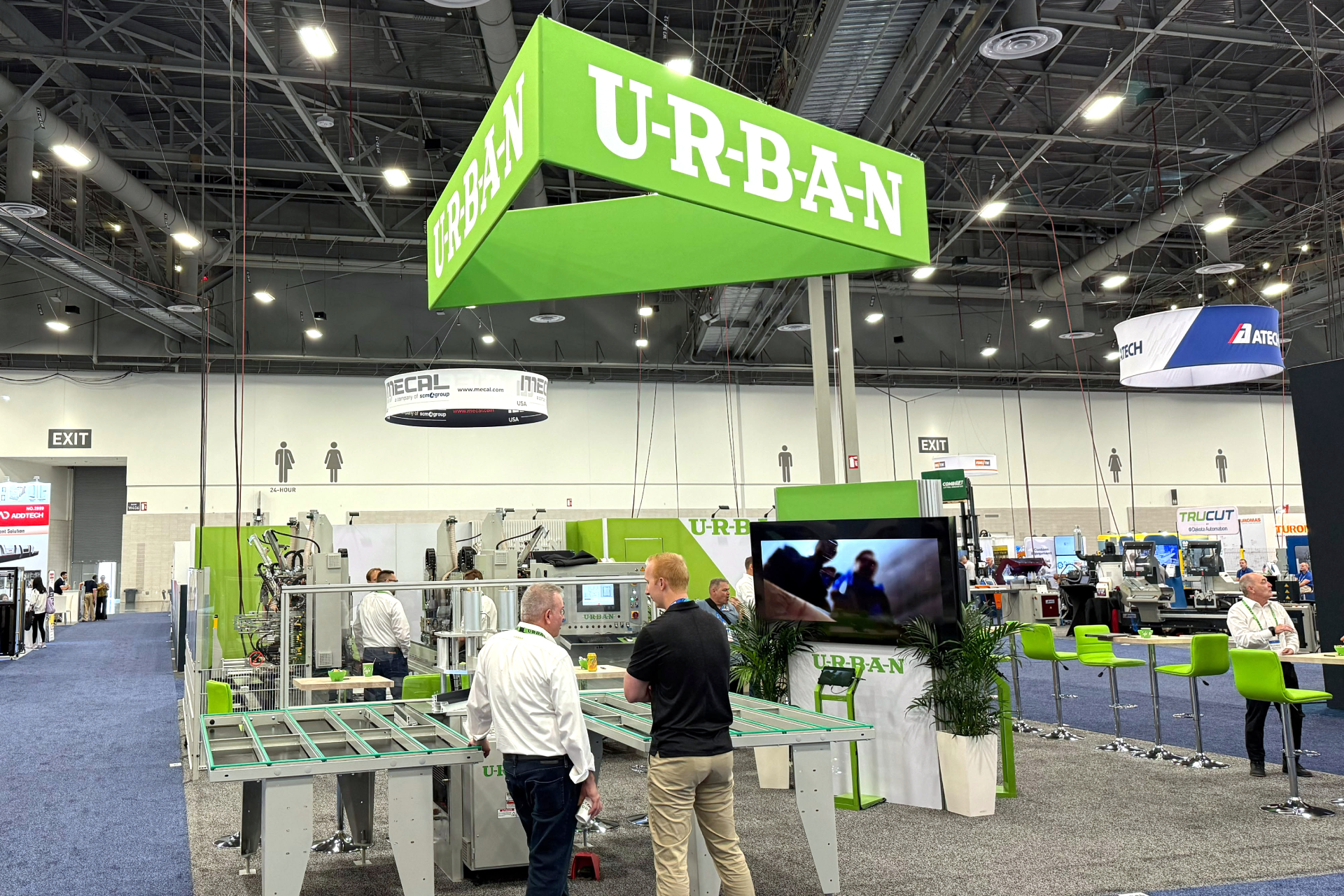
Urban Machinery adds safety package to AKS 1150-SP single point welder ahead of GlassBuild America
Oct 06, 2026

Trending News
Industry media
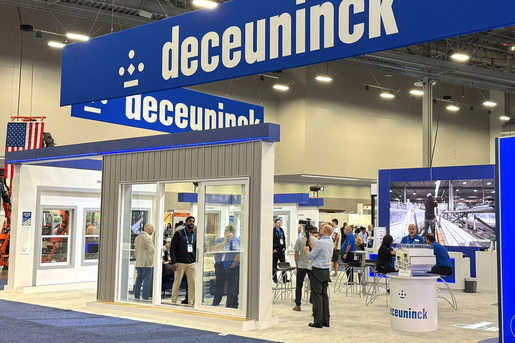
Deceuninck Cuts Patio Door Part Count Nearly in Half With New 205 System
Sep 29, 2026
Industry media
GlassBuild America 2026 Opens in Las Vegas With Focus on Industry Decision-Making
Sep 23, 2026
Industry media
High-Transparency Glazing Drives Design of LEED Gold Engineering Building at UT Dallas
Aug 20, 2026Subscribe to updates
Get the latest guides and industry news delivered to your inbox.