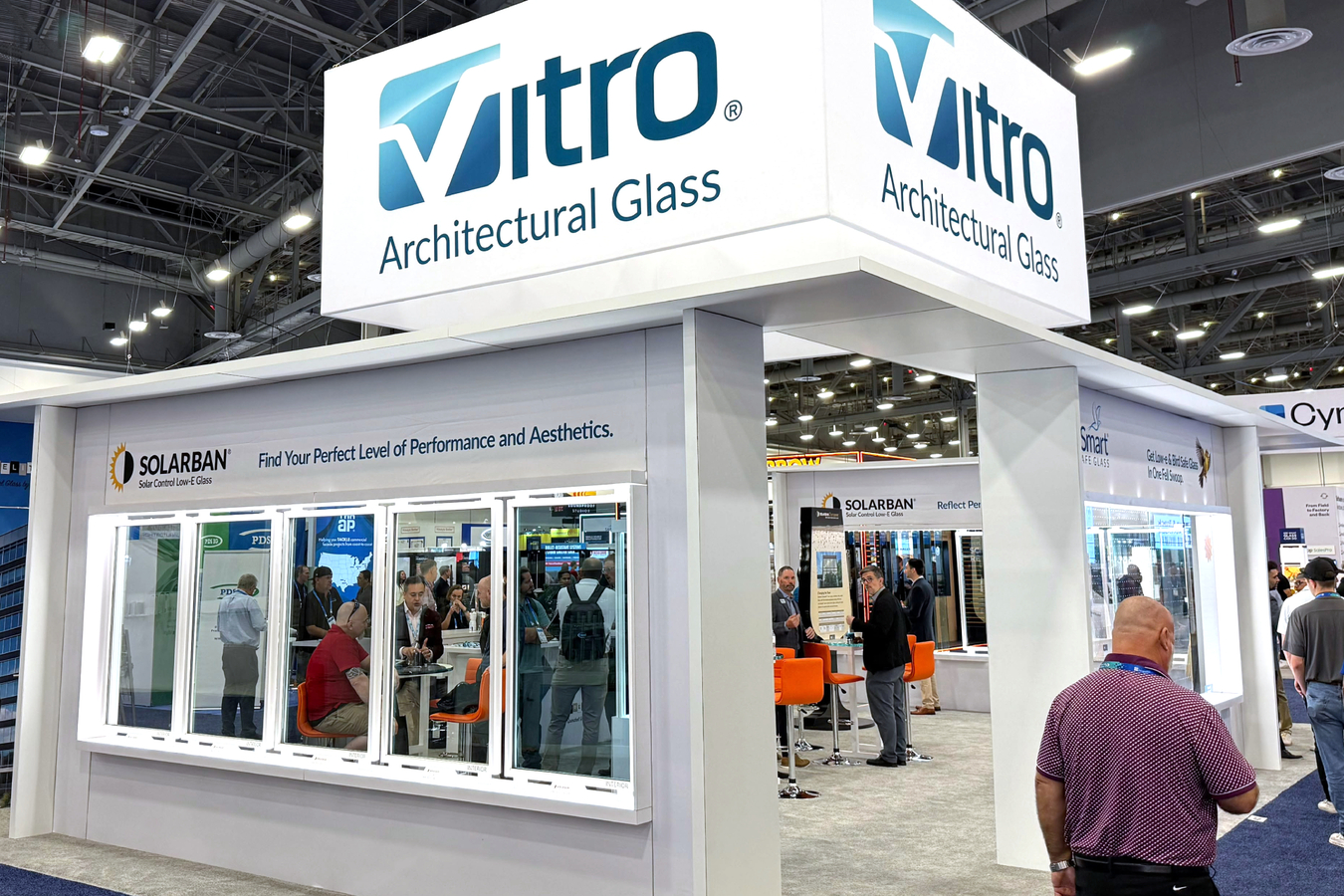
Vitro Expands EcoArmor Protective Topcoat to Solarban 70 Glass
EcoArmor™ Protective Topcoat protects coated glass through handling and fabrication up to the tempering furnace, eliminating the waste and removal steps associated with traditional protective film
Photo: GlassBase
Vitro Expands EcoArmor Protective Topcoat to Solarban 70 Glass

Vitro Architectural Glass has expanded the availability of its EcoArmor™ Protective Topcoat to Solarban® 70 glass, the company reported. The move extends Vitro’s film-free protection technology to another widely specified solar-control low-e glass product and could help glass fabricators reduce protective-film waste and streamline tempering operations.
EcoArmor was previously available on Solarban 90 glass. With the addition of Solarban 70, the coating can now be used on two of Vitro’s major solar-control low-e products.
Vitro introduced the expanded offering at GlassBuild America in Las Vegas.
The company applies EcoArmor as a continuous coating that protects Solarban 70 and Solarban 90 glass against chemical and mechanical damage during shipping, handling and fabrication. Furnace heat removes the coating during tempering.
That process eliminates the need to apply and remove conventional temporary protective films before tempering. Those films typically require an additional removal step and create waste that fabricators must collect and dispose of.
Vitro also reported production benefits from fabrication trials. According to the company, participating fabricators recorded tempering cycle-time reductions of 10% to 20%, lower roll-wave distortion and improved production flow.
The trials also showed up to a 33% reduction in edge kink on glass that underwent edge deletion before tempering. Edge deletion removes the low-e coating near the perimeter of a glass lite where required for certain insulating glass and fabrication processes.
Vitro said trial participants also observed more uniform glass exiting the tempering furnace.
Shorter tempering cycles could have implications for both production capacity and energy use. Tempering requires substantial furnace energy, so reducing cycle times can lower furnace operating time per lite while allowing fabricators to move more glass through existing equipment.
The elimination of temporary protective film also reduces a waste stream associated with coated-glass processing. According to Vitro, EcoArmor leaves no measurable harmful byproducts after the coating burns off during tempering.
The company said fabricators can process EcoArmor-coated glass using standard coated-glass equipment and existing fabrication practices without specialized handling systems.
EcoArmor Protective Topcoat is available through the Vitro Certified® Network. Vitro said it is also evaluating the technology for additional Solarban low-e glass products.
EcoArmor was previously available on Solarban 90 glass. With the addition of Solarban 70, the coating can now be used on two of Vitro’s major solar-control low-e products.
Vitro introduced the expanded offering at GlassBuild America in Las Vegas.
The company applies EcoArmor as a continuous coating that protects Solarban 70 and Solarban 90 glass against chemical and mechanical damage during shipping, handling and fabrication. Furnace heat removes the coating during tempering.
That process eliminates the need to apply and remove conventional temporary protective films before tempering. Those films typically require an additional removal step and create waste that fabricators must collect and dispose of.
Vitro also reported production benefits from fabrication trials. According to the company, participating fabricators recorded tempering cycle-time reductions of 10% to 20%, lower roll-wave distortion and improved production flow.
The trials also showed up to a 33% reduction in edge kink on glass that underwent edge deletion before tempering. Edge deletion removes the low-e coating near the perimeter of a glass lite where required for certain insulating glass and fabrication processes.
Vitro said trial participants also observed more uniform glass exiting the tempering furnace.
Shorter tempering cycles could have implications for both production capacity and energy use. Tempering requires substantial furnace energy, so reducing cycle times can lower furnace operating time per lite while allowing fabricators to move more glass through existing equipment.
The elimination of temporary protective film also reduces a waste stream associated with coated-glass processing. According to Vitro, EcoArmor leaves no measurable harmful byproducts after the coating burns off during tempering.
The company said fabricators can process EcoArmor-coated glass using standard coated-glass equipment and existing fabrication practices without specialized handling systems.
EcoArmor Protective Topcoat is available through the Vitro Certified® Network. Vitro said it is also evaluating the technology for additional Solarban low-e glass products.
Related news
Industry media
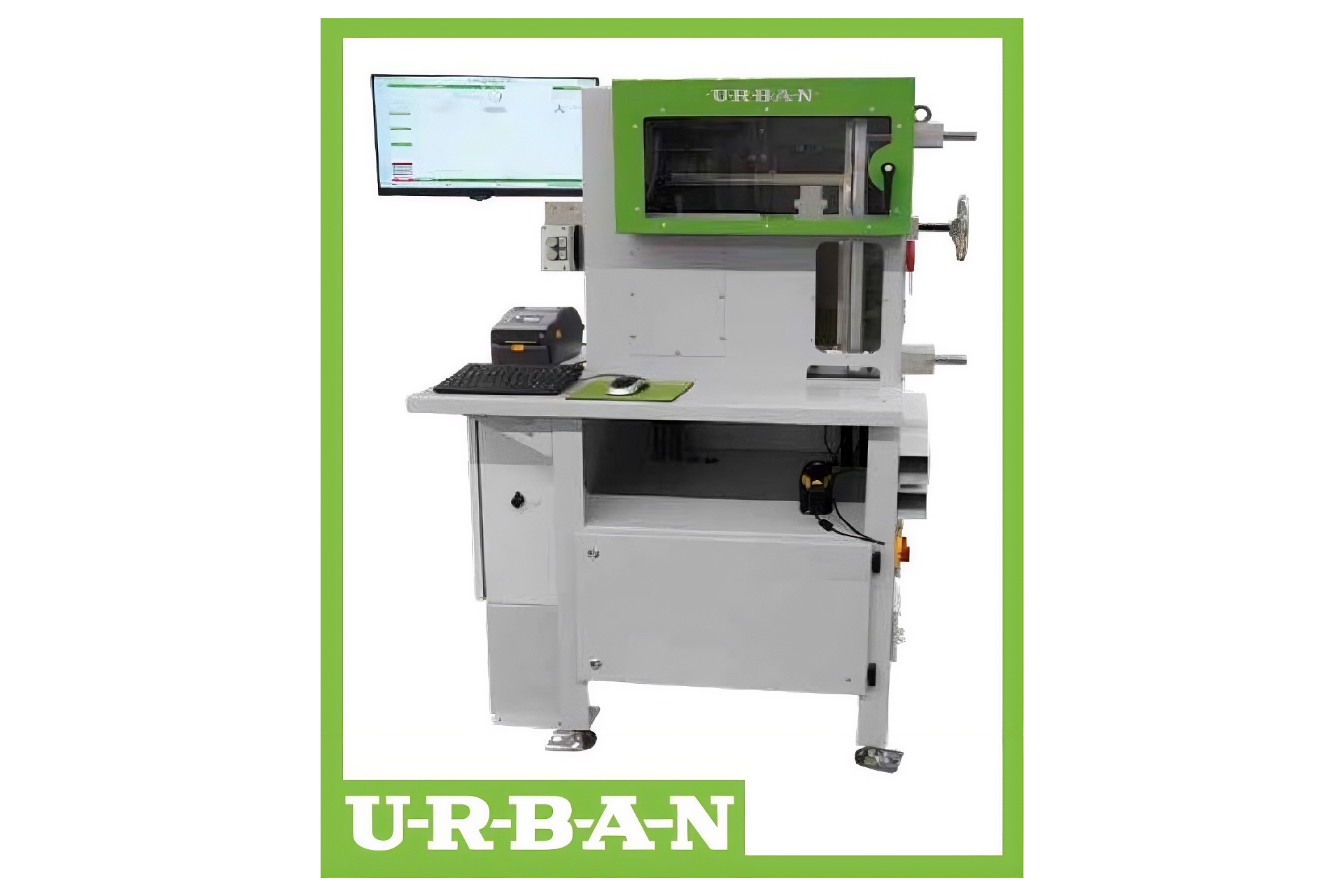
URBAN Showcased New Corner Break Tester at GlassBuild America in Las Vegas
Oct 12, 2026
Industry media
ISO 9001:2026 Takes Effect as Window and Door Manufacturers Face New Certification Requirements
Oct 09, 2026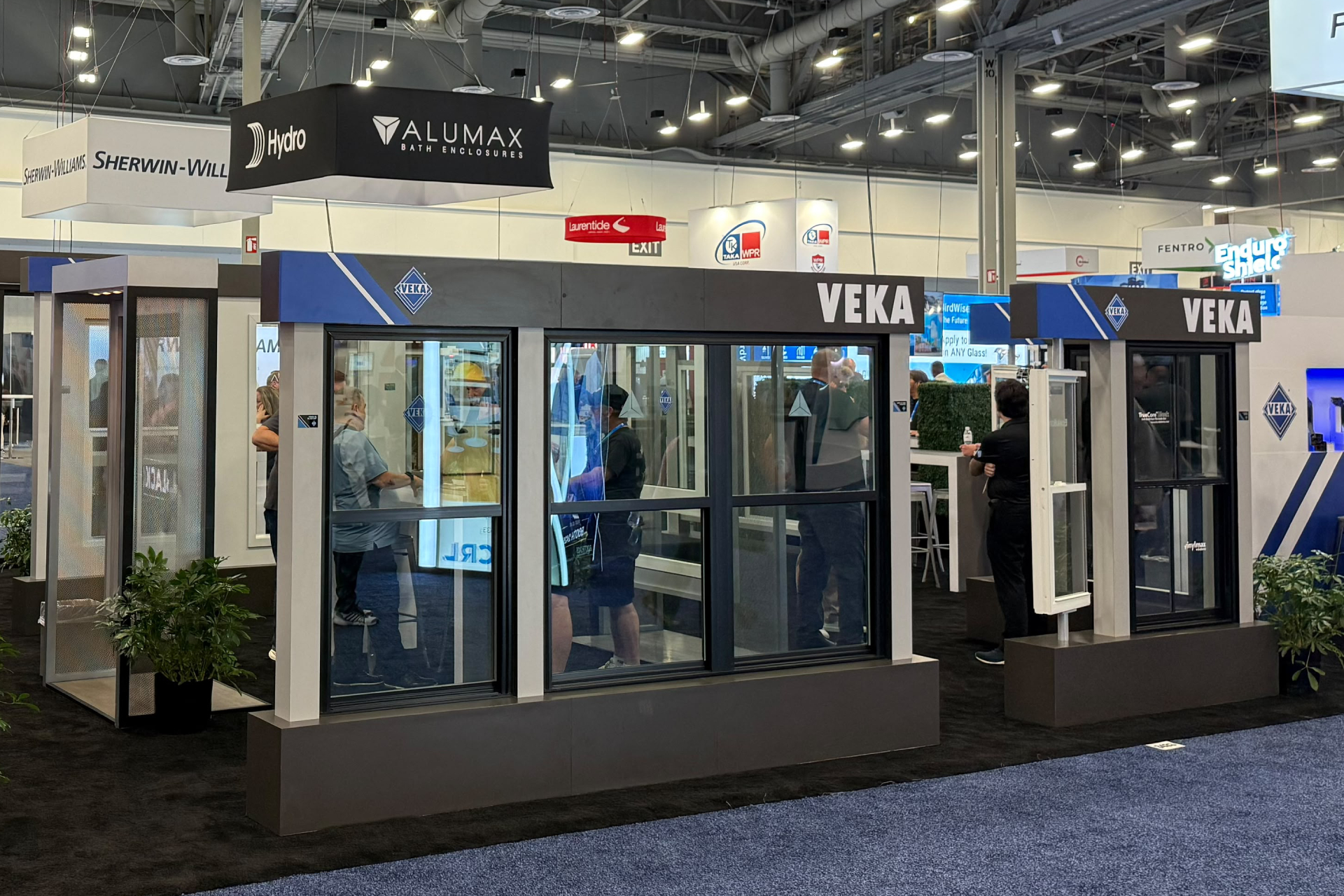
Industry media
VEKA North America Showcases Aperture Vinyl Window System with Ultra-Slim Sightlines at GlassBuild 2026
Oct 08, 2026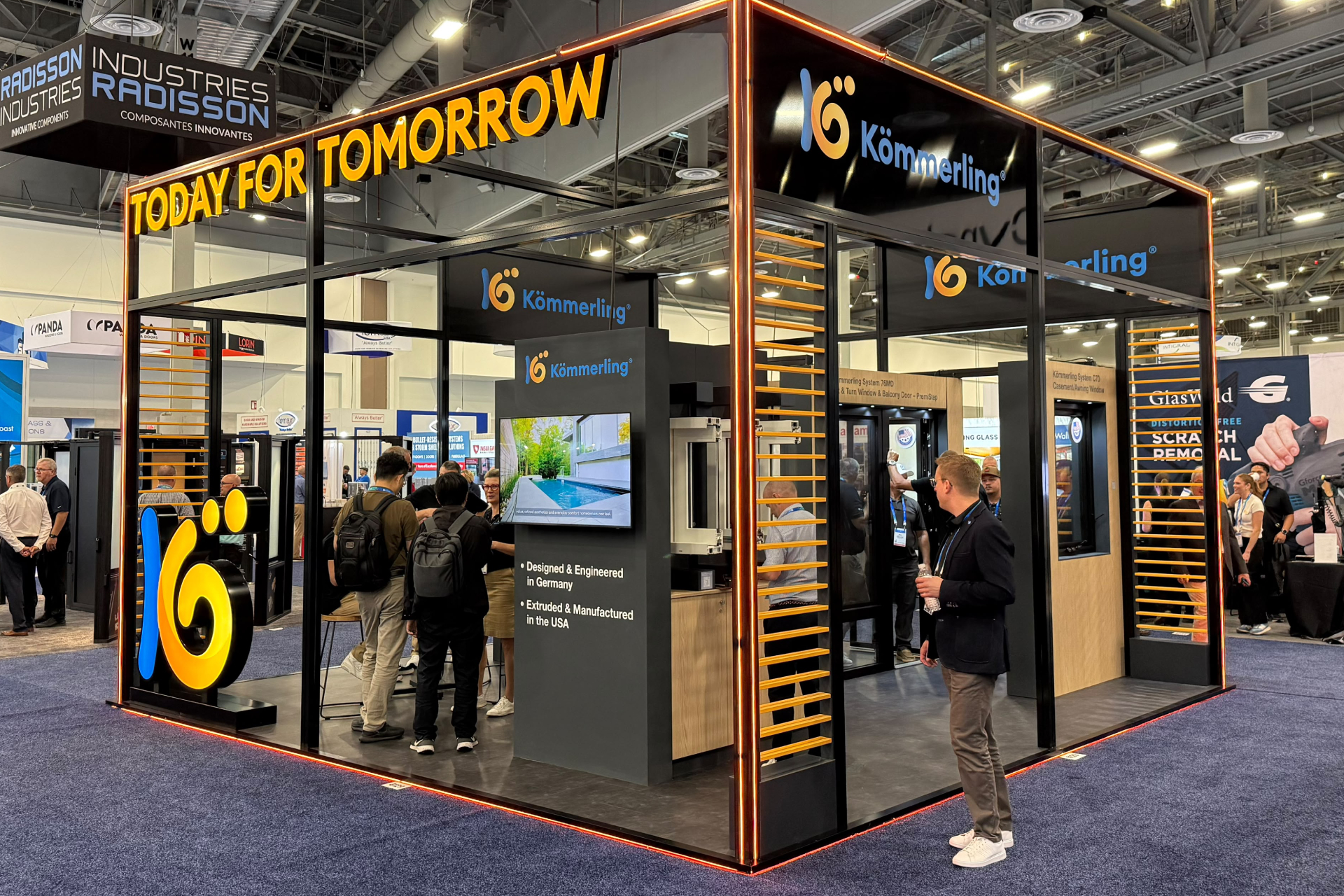
Industry media
Kömmerling Showcases German-Engineered Window and Door Systems at GlassBuild America 2026
Oct 07, 2026Get our latest news!
Latest & Best
Industry media
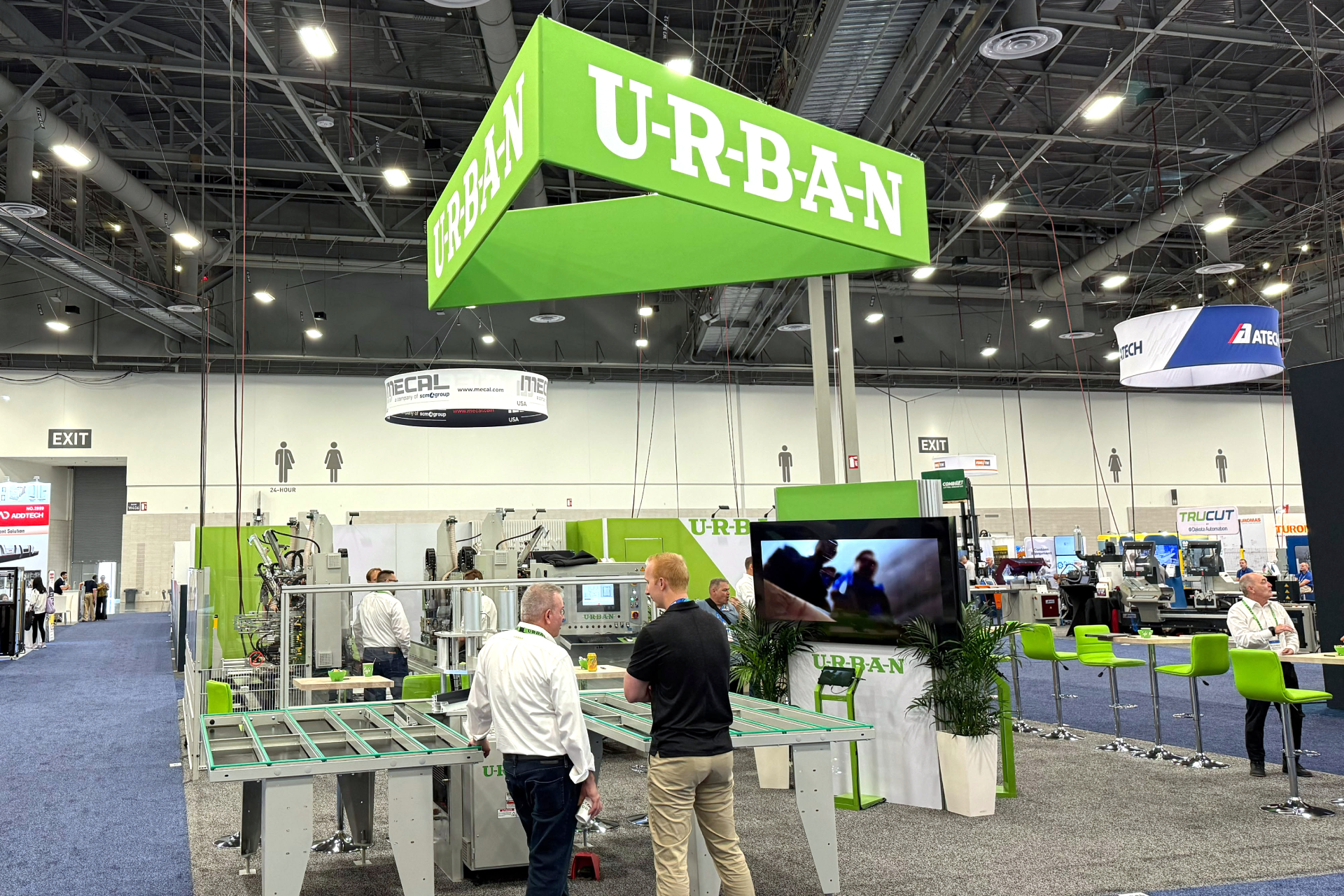
Urban Machinery adds safety package to AKS 1150-SP single point welder ahead of GlassBuild America
Oct 06, 2026
Industry media
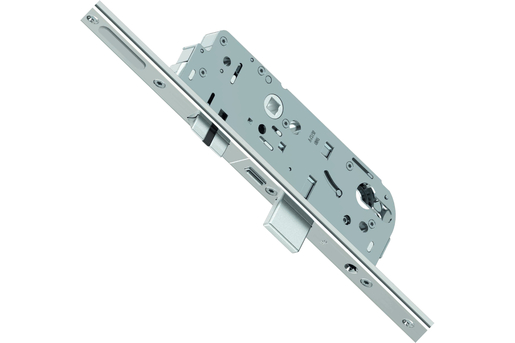
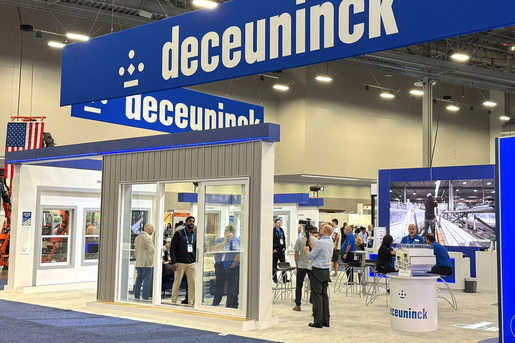
Deceuninck Cuts Patio Door Part Count Nearly in Half With New 205 System
Sep 29, 2026Trending News
Industry media
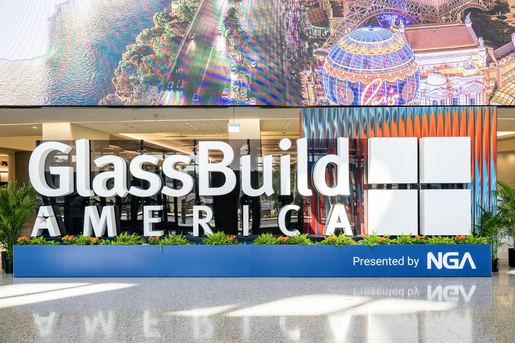
GlassBuild America 2026 Opens in Las Vegas With Focus on Industry Decision-Making
Sep 23, 2026
Industry media
High-Transparency Glazing Drives Design of LEED Gold Engineering Building at UT Dallas
Aug 20, 2026
Subscribe to updates
Get the latest guides and industry news delivered to your inbox.