
NFRC Proposes Public Review U-Factor Standard — VIG, Dynamic Glazing, and Curtain Wall Are at the Center
Cover page of the draft ANSI/NFRC 100-2026 standard, currently open for public review and comment through June 29, 2026.
Source: NFRC mockup by MockupFree.co
NFRC Proposes Public Review U-Factor Standard — VIG, Dynamic Glazing, and Curtain Wall Are at the Center

The National Fenestration Rating Council (NFRC) has opened a draft update to its foundational U-factor standard for public review, a move that could reshape how manufacturers test and certify thermal performance across a wide range of fenestration products. The public comment period for NFRC 100-2026 runs through June 29, 2026.
The draft does not rewrite the core methodology for calculating U-factor — the metric that measures how well a window, door, or glazing system resists heat transfer. Instead, it significantly expands the standard's scope to cover technologies that have gained traction in the U.S. market in recent years.
Among the most consequential changes is the formal inclusion of vacuum insulating glass (VIG) within the standard. VIG units achieve their insulating performance through a near-vacuum gap between glass panes, allowing for thinner profiles than conventional double-pane or triple-pane IGUs while delivering comparable or superior thermal performance. Until now, the NFRC framework offered limited guidance on rating these products.
The draft also expands the Commercial Trendline Approach (CTA), a calculation pathway that allows manufacturers to streamline the number of computer simulations required to rate commercial façade systems. A broader CTA could reduce testing costs and time-to-market for companies supplying curtain wall and window wall systems.
For the retrofit and renovation market, the draft introduces dedicated procedures for applied window films — thin coatings bonded to existing glass that improve thermal and solar performance without full window replacement. Demand for these products has grown as building owners seek lower-cost energy upgrades, particularly in older commercial and multifamily stock.
The draft also adds new requirements for dynamic glazing and dynamic attachments — a category that includes electrochromic glass, which can shift from clear to tinted in response to electrical signals or sunlight. Combined with automated exterior shading, these systems are increasingly specified in high-performance commercial projects targeting LEED certification or compliance with stringent state energy codes.
The Component Modeling Approach (CMA) — a simulation-based method that allows manufacturers to rate product families without testing every individual configuration — receives an expanded scope for commercial products under the draft. This matters most to curtain wall and window wall manufacturers, who typically offer large, highly customizable product lines.
Once the comment period closes on June 29, the NFRC Standards Committee will review all submissions under the ANSI process. Depending on the nature and volume of comments, the committee may revise the draft and open a second public review, or advance it directly for approval as a new American National Standard. If finalized, ANSI/NFRC 100-2026 would replace the current edition as the governing document for U-factor determination across windows, doors, skylights, façade systems, and other fenestration products.
NFRC operates as a nonprofit and administers the voluntary rating and certification system that underpins ENERGY STAR qualification and most U.S. building code compliance pathways for fenestration products. Its ratings appear on the familiar label found on windows and doors sold throughout North America.
Manufacturers, simulation labs, code officials, and other industry stakeholders can submit comments through the NFRC website during the open review period↗️.
The draft does not rewrite the core methodology for calculating U-factor — the metric that measures how well a window, door, or glazing system resists heat transfer. Instead, it significantly expands the standard's scope to cover technologies that have gained traction in the U.S. market in recent years.
Among the most consequential changes is the formal inclusion of vacuum insulating glass (VIG) within the standard. VIG units achieve their insulating performance through a near-vacuum gap between glass panes, allowing for thinner profiles than conventional double-pane or triple-pane IGUs while delivering comparable or superior thermal performance. Until now, the NFRC framework offered limited guidance on rating these products.
The draft also expands the Commercial Trendline Approach (CTA), a calculation pathway that allows manufacturers to streamline the number of computer simulations required to rate commercial façade systems. A broader CTA could reduce testing costs and time-to-market for companies supplying curtain wall and window wall systems.
For the retrofit and renovation market, the draft introduces dedicated procedures for applied window films — thin coatings bonded to existing glass that improve thermal and solar performance without full window replacement. Demand for these products has grown as building owners seek lower-cost energy upgrades, particularly in older commercial and multifamily stock.
The draft also adds new requirements for dynamic glazing and dynamic attachments — a category that includes electrochromic glass, which can shift from clear to tinted in response to electrical signals or sunlight. Combined with automated exterior shading, these systems are increasingly specified in high-performance commercial projects targeting LEED certification or compliance with stringent state energy codes.
The Component Modeling Approach (CMA) — a simulation-based method that allows manufacturers to rate product families without testing every individual configuration — receives an expanded scope for commercial products under the draft. This matters most to curtain wall and window wall manufacturers, who typically offer large, highly customizable product lines.
Once the comment period closes on June 29, the NFRC Standards Committee will review all submissions under the ANSI process. Depending on the nature and volume of comments, the committee may revise the draft and open a second public review, or advance it directly for approval as a new American National Standard. If finalized, ANSI/NFRC 100-2026 would replace the current edition as the governing document for U-factor determination across windows, doors, skylights, façade systems, and other fenestration products.
NFRC operates as a nonprofit and administers the voluntary rating and certification system that underpins ENERGY STAR qualification and most U.S. building code compliance pathways for fenestration products. Its ratings appear on the familiar label found on windows and doors sold throughout North America.
Manufacturers, simulation labs, code officials, and other industry stakeholders can submit comments through the NFRC website during the open review period↗️.
Related news
Industry media
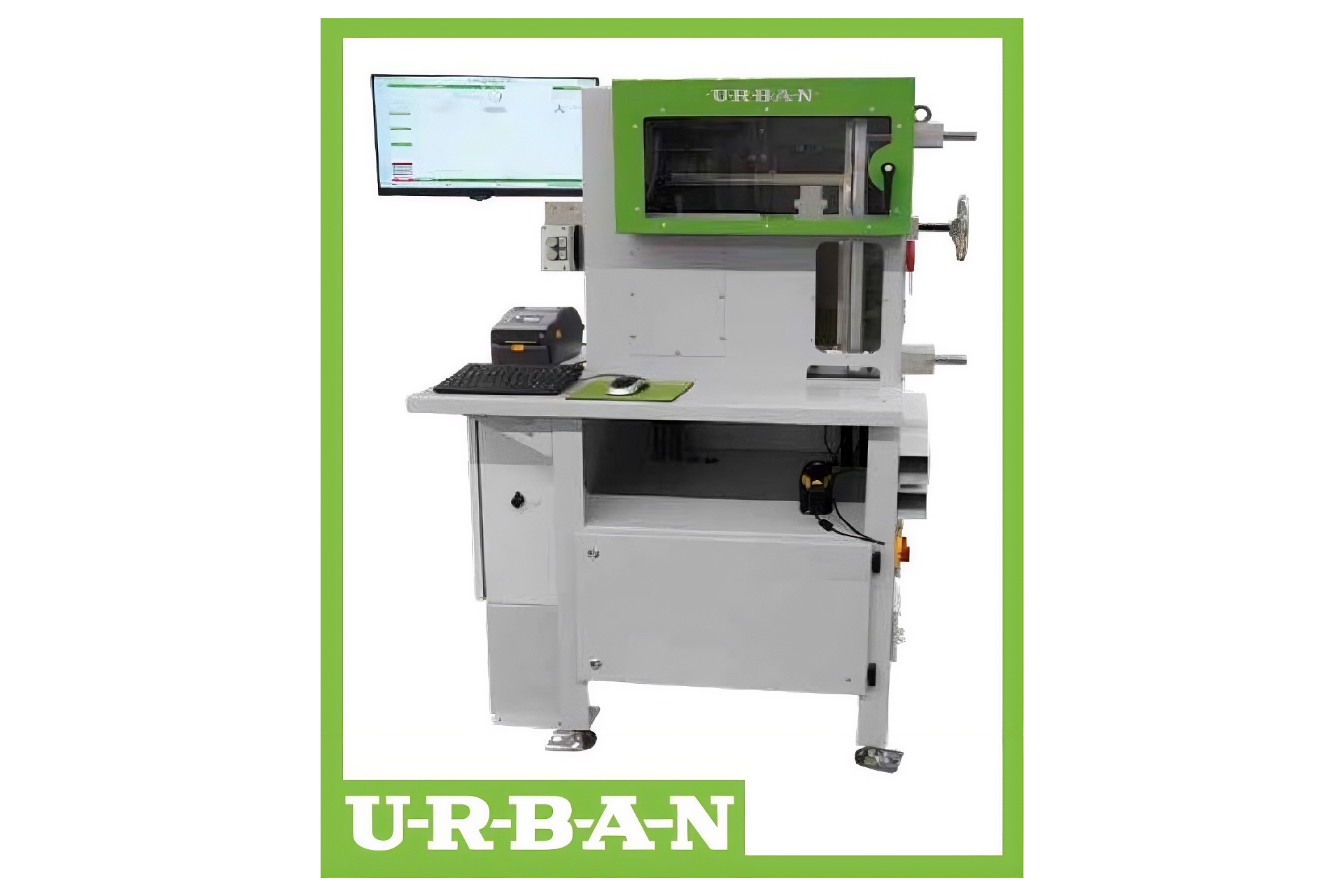
URBAN Showcased New Corner Break Tester at GlassBuild America in Las Vegas
Oct 12, 2026
Industry media
ISO 9001:2026 Takes Effect as Window and Door Manufacturers Face New Certification Requirements
Oct 09, 2026
Industry media
VEKA North America Showcases Aperture Vinyl Window System with Ultra-Slim Sightlines at GlassBuild 2026
Oct 08, 2026
Industry media
Kömmerling Showcases German-Engineered Window and Door Systems at GlassBuild America 2026
Oct 07, 2026Get our latest news!
Latest & Best
Industry media
Urban Machinery adds safety package to AKS 1150-SP single point welder ahead of GlassBuild America
Oct 06, 2026
Trending News
Industry media
Deceuninck Cuts Patio Door Part Count Nearly in Half With New 205 System
Sep 29, 2026
Industry media
GlassBuild America 2026 Opens in Las Vegas With Focus on Industry Decision-Making
Sep 23, 2026
Industry media
High-Transparency Glazing Drives Design of LEED Gold Engineering Building at UT Dallas
Aug 20, 2026Subscribe to updates
Get the latest guides and industry news delivered to your inbox.