
The 2026 North American Fenestration Standard Is Here — and One Key Labeling Rule Just Got Mandatory
Pages of the Intertek Test Report issued to Aliplast sp. z o.o., documenting compliance with AAMA/WDMA/CSA 101/I.S.2/A440-11, AAMA/WDMA/CSA 101/I.S.2/A440-17 and A440S1-17. The report was issued on 16 May 2019.
Source: Lumini Windows and Doors mockup by MockupFree.co
The 2026 North American Fenestration Standard Is Here — and One Key Labeling Rule Just Got Mandatory

The Fenestration and Glazing Industry Alliance (FGIA), along with CSA Group and the Window & Door Manufacturers Association (WDMA), has published the 2026 edition of AAMA/WDMA/CSA 101/I.S.2/A440 — the North American Fenestration Standard (NAFS). The updated standard affects how windows, doors, and skylights are tested, rated, and labeled across the U.S. and Canada, with implications for manufacturers, code officials, and specifiers alike.
NAFS-26 supersedes the 2022 edition and continues the standard's five-year review cycle, which the three organizations are contractually required to maintain. While this update does not introduce sweeping technical changes, it does formalize one labeling requirement that previously left room for inconsistency.
The most significant change involves the secondary designator — a set of performance values that appears on product test reports and labels. Under NAFS-22, including this designator was optional. Under NAFS-26, it is mandatory.
That designator must now report three specific values: positive design pressure, negative design pressure, and water penetration resistance test pressure. These figures give buyers, builders, and code officials a clearer picture of how a fenestration product performs under real-world conditions, particularly wind load and moisture exposure.
The change came at the request of the Federal Emergency Management Agency (FEMA), which proposed the requirement after discussions with the Joint Document Management Group (JDMG) — the body of representatives from all three associations that oversees NAFS updates.
Lisa Bergeron, Director of Business Development and Government Affairs at JELD-WEN and FGIA's JDMG co-chair, described the revision as a targeted clarification rather than an overhaul. She noted that NAFS continues to serve as a widely accepted performance standard for the fenestration product types it covers.
For U.S. manufacturers, the mandatory secondary designator adds a layer of transparency to product documentation that aligns with how building codes and procurement specs already evaluate performance. In hurricane-prone markets — where design pressure ratings are closely tied to code compliance and insurance requirements — the change standardizes what must appear on every label.
The update also carries weight for the retrofit and commercial glazing markets, where specifiers often rely on labeled performance data when selecting windows and curtain wall components for renovation projects. Consistent labeling reduces the risk of miscommunication between manufacturers, distributors, and project teams.
NAFS-26 is now available through FGIA, CSA Group, and WDMA.
NAFS-26 supersedes the 2022 edition and continues the standard's five-year review cycle, which the three organizations are contractually required to maintain. While this update does not introduce sweeping technical changes, it does formalize one labeling requirement that previously left room for inconsistency.
The most significant change involves the secondary designator — a set of performance values that appears on product test reports and labels. Under NAFS-22, including this designator was optional. Under NAFS-26, it is mandatory.
That designator must now report three specific values: positive design pressure, negative design pressure, and water penetration resistance test pressure. These figures give buyers, builders, and code officials a clearer picture of how a fenestration product performs under real-world conditions, particularly wind load and moisture exposure.
The change came at the request of the Federal Emergency Management Agency (FEMA), which proposed the requirement after discussions with the Joint Document Management Group (JDMG) — the body of representatives from all three associations that oversees NAFS updates.
Lisa Bergeron, Director of Business Development and Government Affairs at JELD-WEN and FGIA's JDMG co-chair, described the revision as a targeted clarification rather than an overhaul. She noted that NAFS continues to serve as a widely accepted performance standard for the fenestration product types it covers.
For U.S. manufacturers, the mandatory secondary designator adds a layer of transparency to product documentation that aligns with how building codes and procurement specs already evaluate performance. In hurricane-prone markets — where design pressure ratings are closely tied to code compliance and insurance requirements — the change standardizes what must appear on every label.
The update also carries weight for the retrofit and commercial glazing markets, where specifiers often rely on labeled performance data when selecting windows and curtain wall components for renovation projects. Consistent labeling reduces the risk of miscommunication between manufacturers, distributors, and project teams.
NAFS-26 is now available through FGIA, CSA Group, and WDMA.
Related news
Industry media
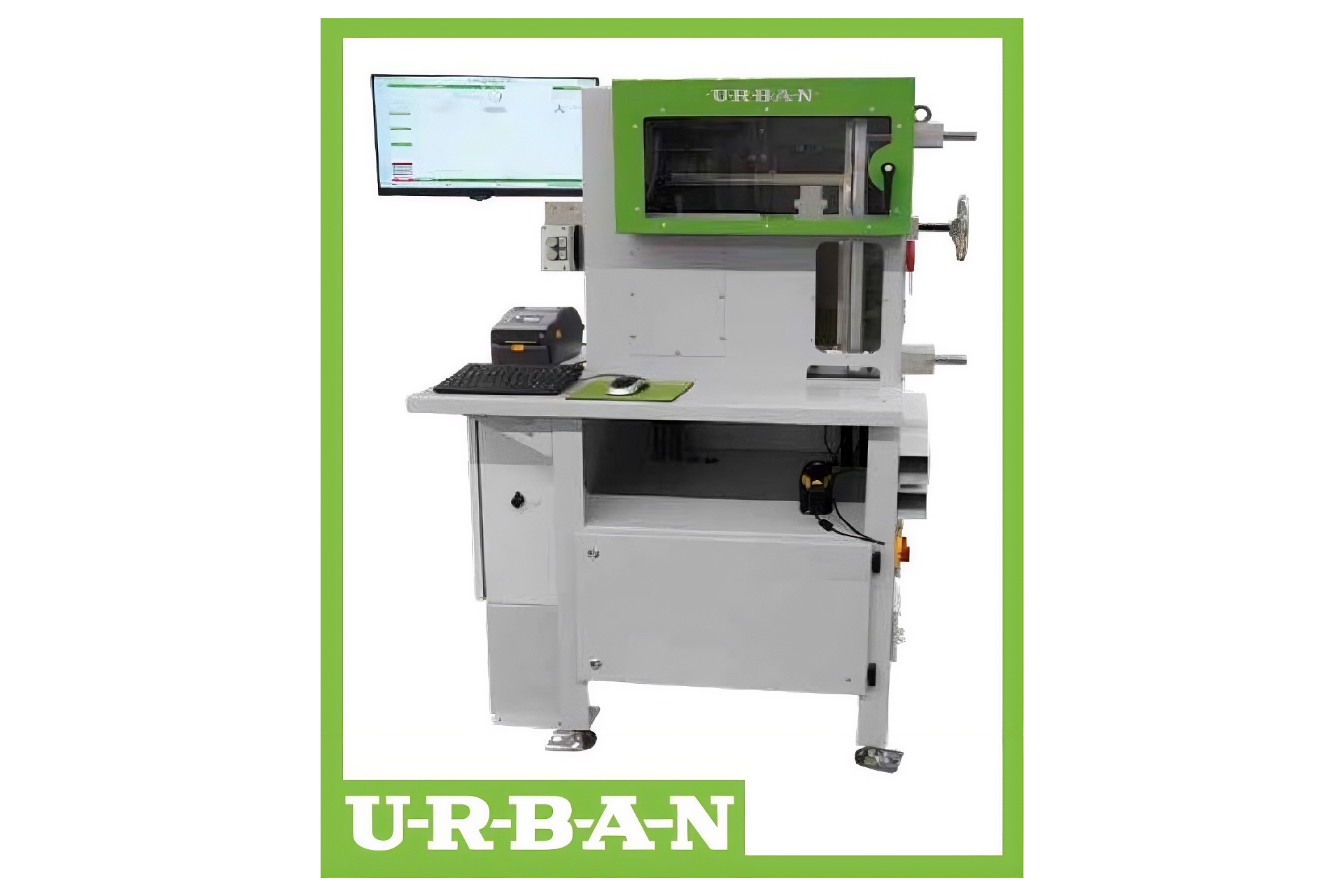
URBAN Showcased New Corner Break Tester at GlassBuild America in Las Vegas
Oct 12, 2026
Industry media
ISO 9001:2026 Takes Effect as Window and Door Manufacturers Face New Certification Requirements
Oct 09, 2026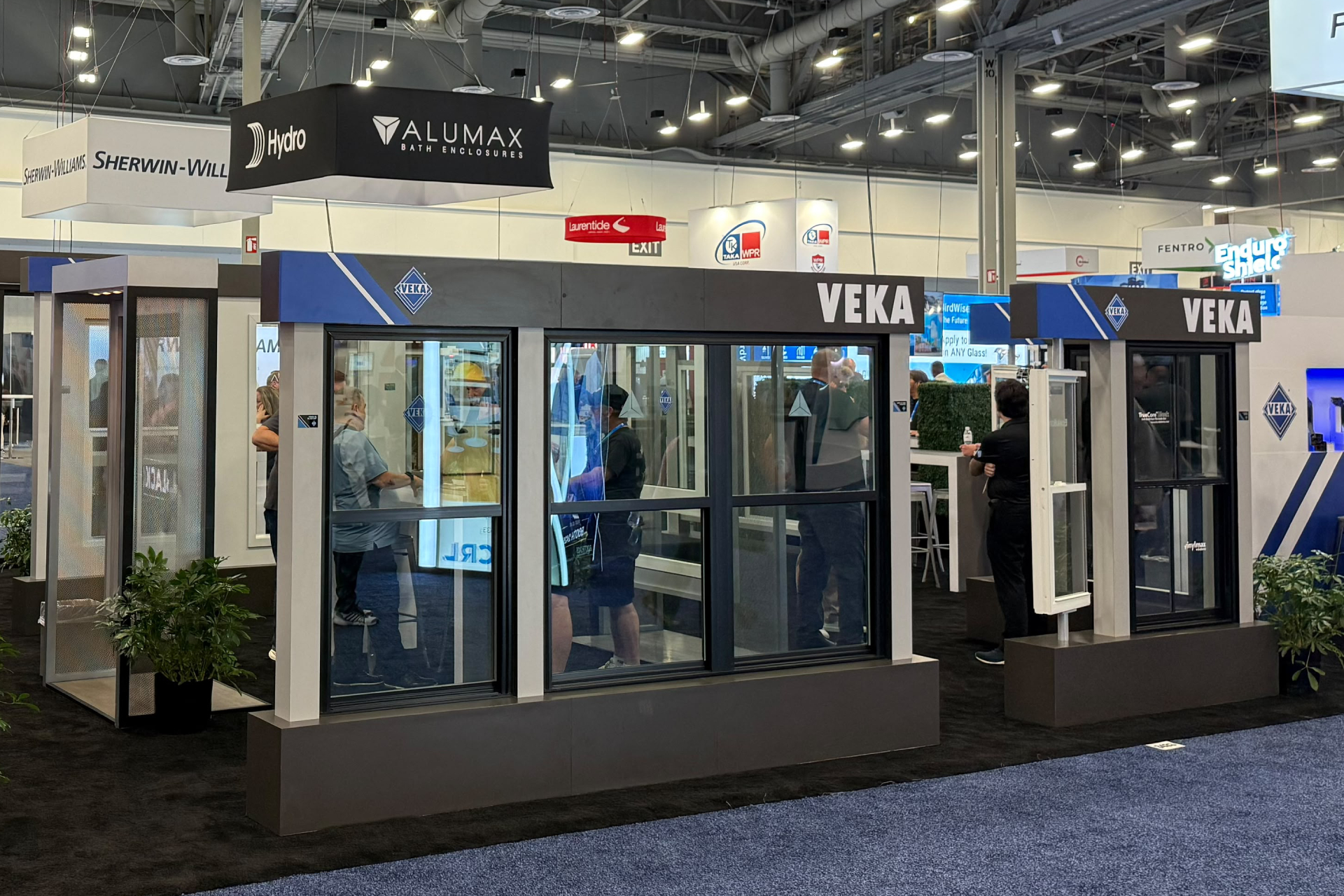
Industry media
VEKA North America Showcases Aperture Vinyl Window System with Ultra-Slim Sightlines at GlassBuild 2026
Oct 08, 2026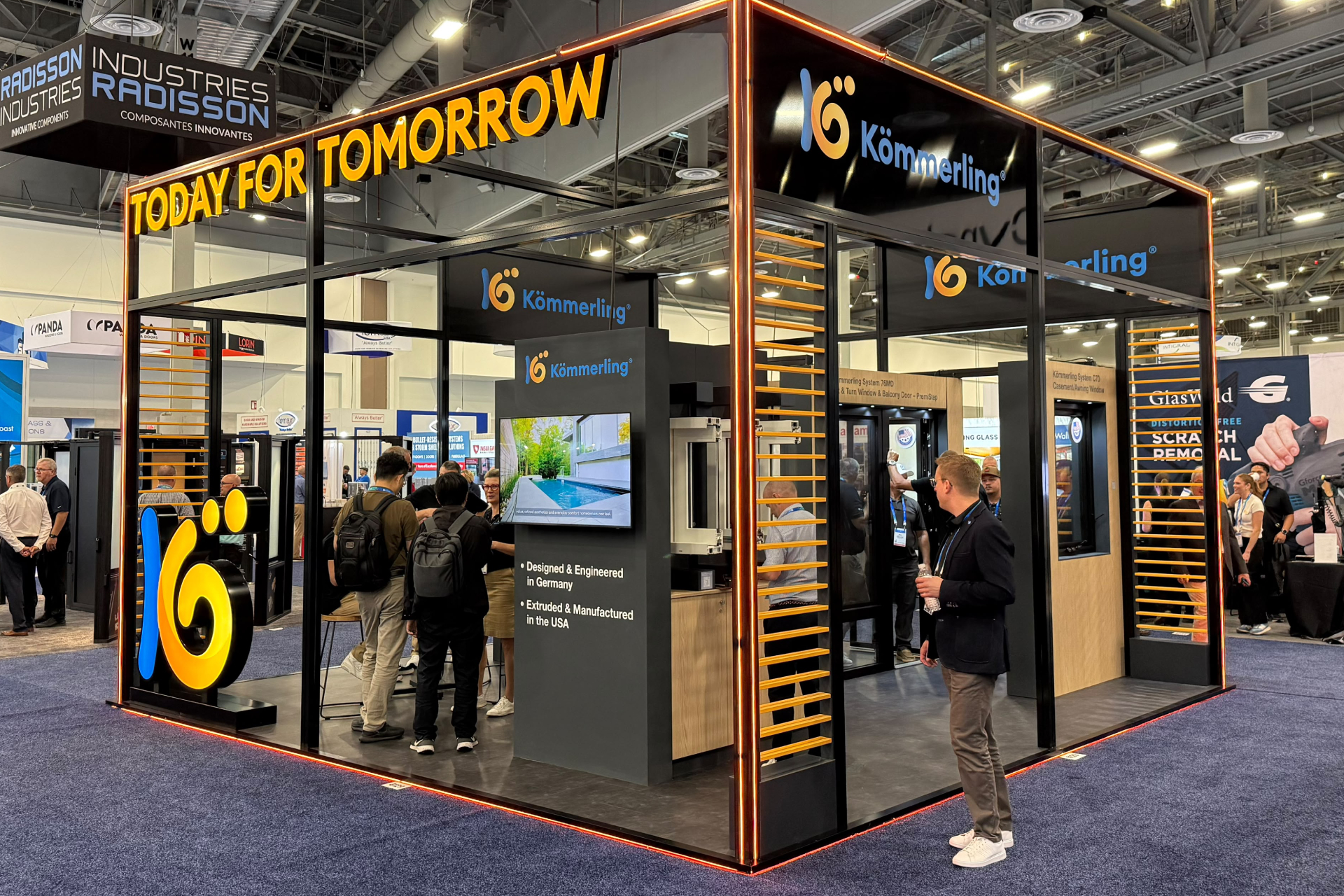
Industry media
Kömmerling Showcases German-Engineered Window and Door Systems at GlassBuild America 2026
Oct 07, 2026Get our latest news!
Latest & Best
Industry media
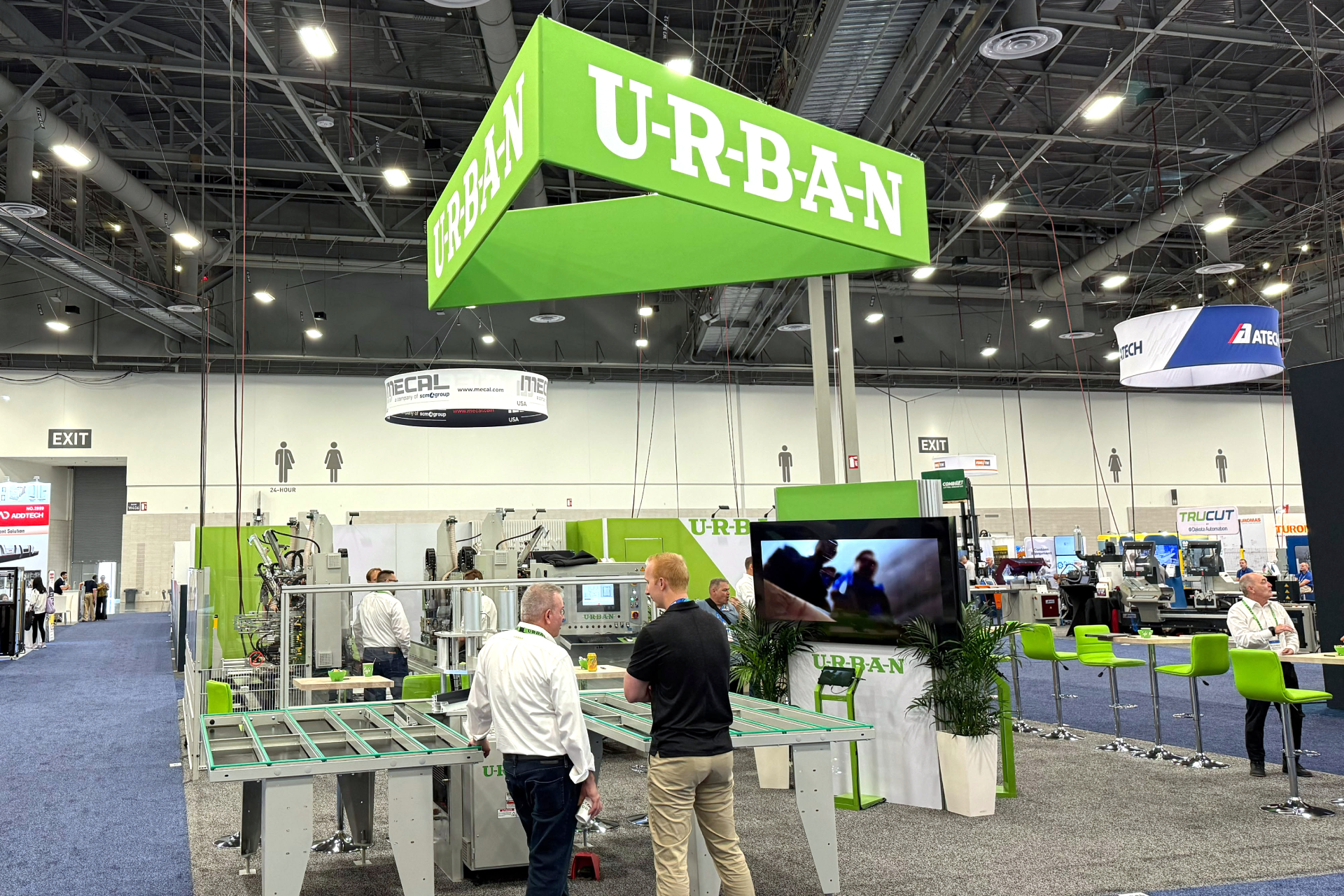
Urban Machinery adds safety package to AKS 1150-SP single point welder ahead of GlassBuild America
Oct 06, 2026
Trending News
Industry media
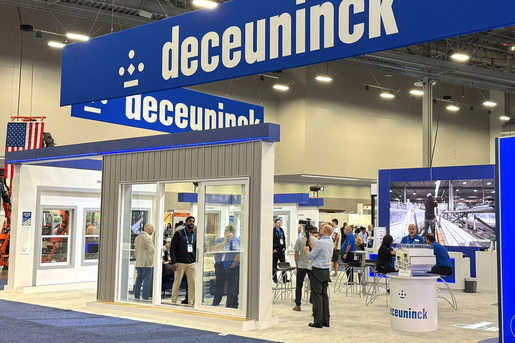
Deceuninck Cuts Patio Door Part Count Nearly in Half With New 205 System
Sep 29, 2026
Industry media
GlassBuild America 2026 Opens in Las Vegas With Focus on Industry Decision-Making
Sep 23, 2026
Industry media
High-Transparency Glazing Drives Design of LEED Gold Engineering Building at UT Dallas
Aug 20, 2026Subscribe to updates
Get the latest guides and industry news delivered to your inbox.