NGA Bird-Friendly Glazing Guidance Now Written Into Two National Building Standards
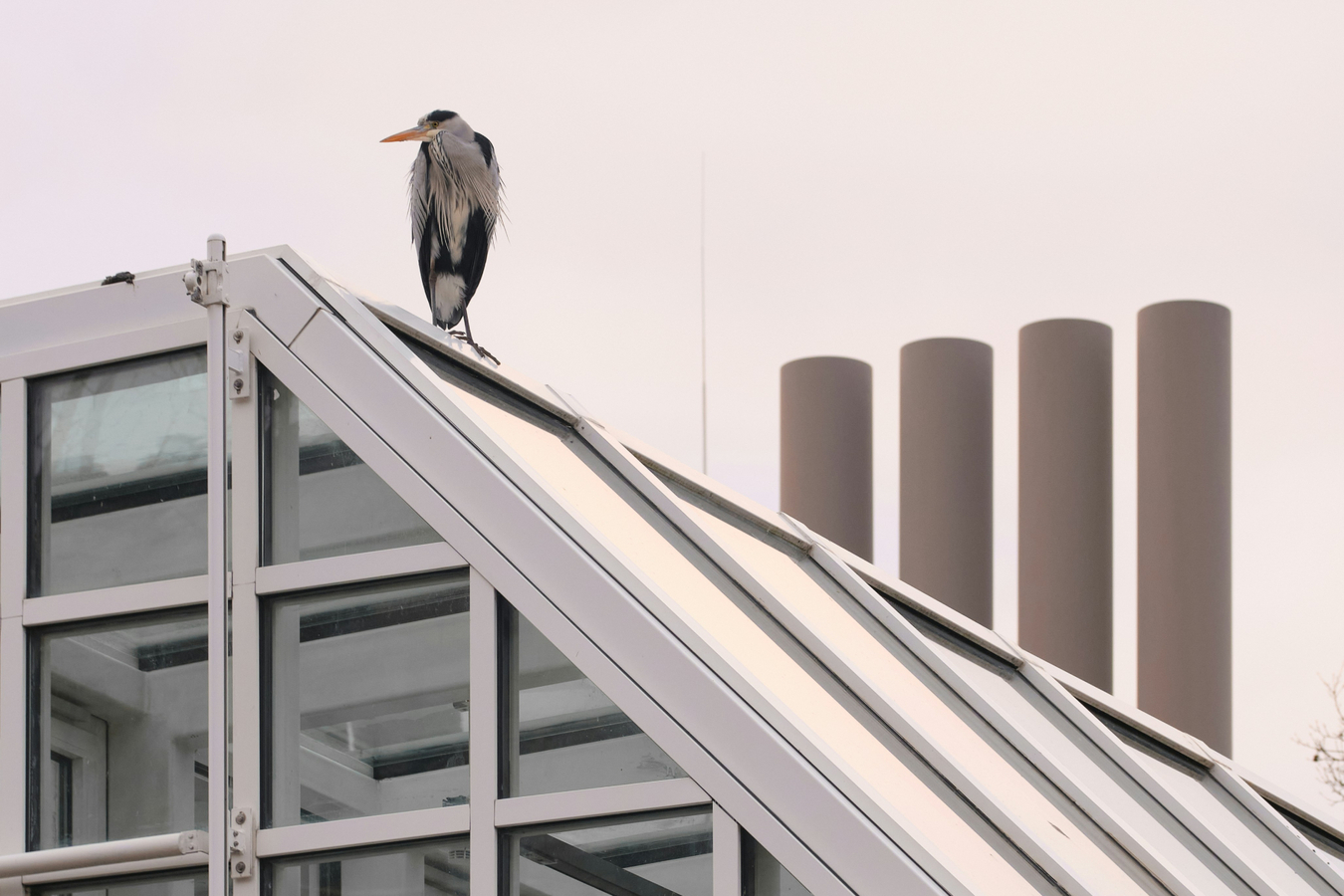
Illustrative Tim Schmidbauer on Unsplash
NGA Bird-Friendly Glazing Guidance Now Written Into Two National Building Standards

Bird-friendly glazing recommendations developed by the National Glass Association (NGA) have been incorporated into ASHRAE 189.1-2026 and the 2027 International Green Construction Code (IgCC), NGA committee leaders reported at the NGA Glass Conference track in Chicago in June. The move gives window and door manufacturers, fabricators, and architects a common technical reference for bird-safe glazing, and it signals that bird-friendly design is moving from a niche specification into mainstream green-building codes.
ASHRAE 189.1 is a standard for high-performance green buildings published by the American Society of Heating, Refrigerating and Air-Conditioning Engineers. The IgCC is a model code, developed with ASHRAE and the International Code Council, that jurisdictions can adopt to set sustainability requirements for new construction. Both documents are frequently referenced or adopted, in whole or in part, by state and local building codes, so language added to them can influence project specifications well beyond the buildings that fall under those two standards directly.
The bird-friendly language in both documents draws on NGA's Bird-Friendly Glazing Design Guide. Vaughn Schauss of Kuraray America, who serves as NGA's Protective Glazing Liaison, told the Fabricating Committee that an ASTM task group is now working to adapt that same guide into a formal ASTM Standard Practice. A Standard Practice would give the industry a testable, code-referenceable document rather than a voluntary guide, which typically makes it easier for architects and code officials to specify and verify compliance.
Bird-friendly glazing is also one of four issues the NGA Advocacy Committee has flagged as a priority for 2026, alongside school security glazing, workforce development, and grid-related demand for high-performance glass. Committee Chair Paul Bush of Vitro Architectural Glass reported that NGA members held 45 small-group meetings with legislative staff from 26 states during NGA Glass & Glazing Advocacy Days in Washington, D.C., in May. Bird-friendly design was among the topics raised in those meetings.
The updates came out of the NGA Glass Fabricator Conference (GFAB) in Chicago, where more than 100 glass industry technical leaders attended the Glass Conference track for meetings of NGA's Fabricating, Forming, and Advocacy Committees. The Fabricating Committee, chaired by Aaron Thompson of Viracon, also opened a task group on suction-cup handling practices and heard updates on tempering, insulating glass, and laminated glass work. The Forming Committee, chaired by Steve Marino of Vitro Architectural Glass, reviewed a members-only state sustainability legislation database and formed a joint task group with the Fabricating Committee to study dimensional requirements for solar photovoltaic glass. Marino also announced his upcoming retirement; he has appointed Logan Tautkus-berry of Vitro Architectural Glass to finish his term as chair, with the position rotating to Guardian Glass in 2027.
For window and door manufacturers, the codification of bird-friendly glazing language in ASHRAE 189.1 and the IgCC means the topic is likely to appear more often in project specifications, particularly for buildings near green space, water, or migratory bird corridors. Fabricators that already offer fritted, patterned, or otherwise bird-safe glass options may see earlier and more frequent requests for that documentation. An eventual ASTM Standard Practice, if finalized, would give the broader supply chain — glass fabricators, window and door manufacturers, architects, and code officials — a single reference point for specifying and testing bird-friendly products, replacing the current mix of voluntary guides and local ordinances.
ASHRAE 189.1 is a standard for high-performance green buildings published by the American Society of Heating, Refrigerating and Air-Conditioning Engineers. The IgCC is a model code, developed with ASHRAE and the International Code Council, that jurisdictions can adopt to set sustainability requirements for new construction. Both documents are frequently referenced or adopted, in whole or in part, by state and local building codes, so language added to them can influence project specifications well beyond the buildings that fall under those two standards directly.
The bird-friendly language in both documents draws on NGA's Bird-Friendly Glazing Design Guide. Vaughn Schauss of Kuraray America, who serves as NGA's Protective Glazing Liaison, told the Fabricating Committee that an ASTM task group is now working to adapt that same guide into a formal ASTM Standard Practice. A Standard Practice would give the industry a testable, code-referenceable document rather than a voluntary guide, which typically makes it easier for architects and code officials to specify and verify compliance.
Bird-friendly glazing is also one of four issues the NGA Advocacy Committee has flagged as a priority for 2026, alongside school security glazing, workforce development, and grid-related demand for high-performance glass. Committee Chair Paul Bush of Vitro Architectural Glass reported that NGA members held 45 small-group meetings with legislative staff from 26 states during NGA Glass & Glazing Advocacy Days in Washington, D.C., in May. Bird-friendly design was among the topics raised in those meetings.
The updates came out of the NGA Glass Fabricator Conference (GFAB) in Chicago, where more than 100 glass industry technical leaders attended the Glass Conference track for meetings of NGA's Fabricating, Forming, and Advocacy Committees. The Fabricating Committee, chaired by Aaron Thompson of Viracon, also opened a task group on suction-cup handling practices and heard updates on tempering, insulating glass, and laminated glass work. The Forming Committee, chaired by Steve Marino of Vitro Architectural Glass, reviewed a members-only state sustainability legislation database and formed a joint task group with the Fabricating Committee to study dimensional requirements for solar photovoltaic glass. Marino also announced his upcoming retirement; he has appointed Logan Tautkus-berry of Vitro Architectural Glass to finish his term as chair, with the position rotating to Guardian Glass in 2027.
For window and door manufacturers, the codification of bird-friendly glazing language in ASHRAE 189.1 and the IgCC means the topic is likely to appear more often in project specifications, particularly for buildings near green space, water, or migratory bird corridors. Fabricators that already offer fritted, patterned, or otherwise bird-safe glass options may see earlier and more frequent requests for that documentation. An eventual ASTM Standard Practice, if finalized, would give the broader supply chain — glass fabricators, window and door manufacturers, architects, and code officials — a single reference point for specifying and testing bird-friendly products, replacing the current mix of voluntary guides and local ordinances.
Related news

Industry media
URBAN Showcased New Corner Break Tester at GlassBuild America in Las Vegas
Oct 12, 2026
Industry media
ISO 9001:2026 Takes Effect as Window and Door Manufacturers Face New Certification Requirements
Oct 09, 2026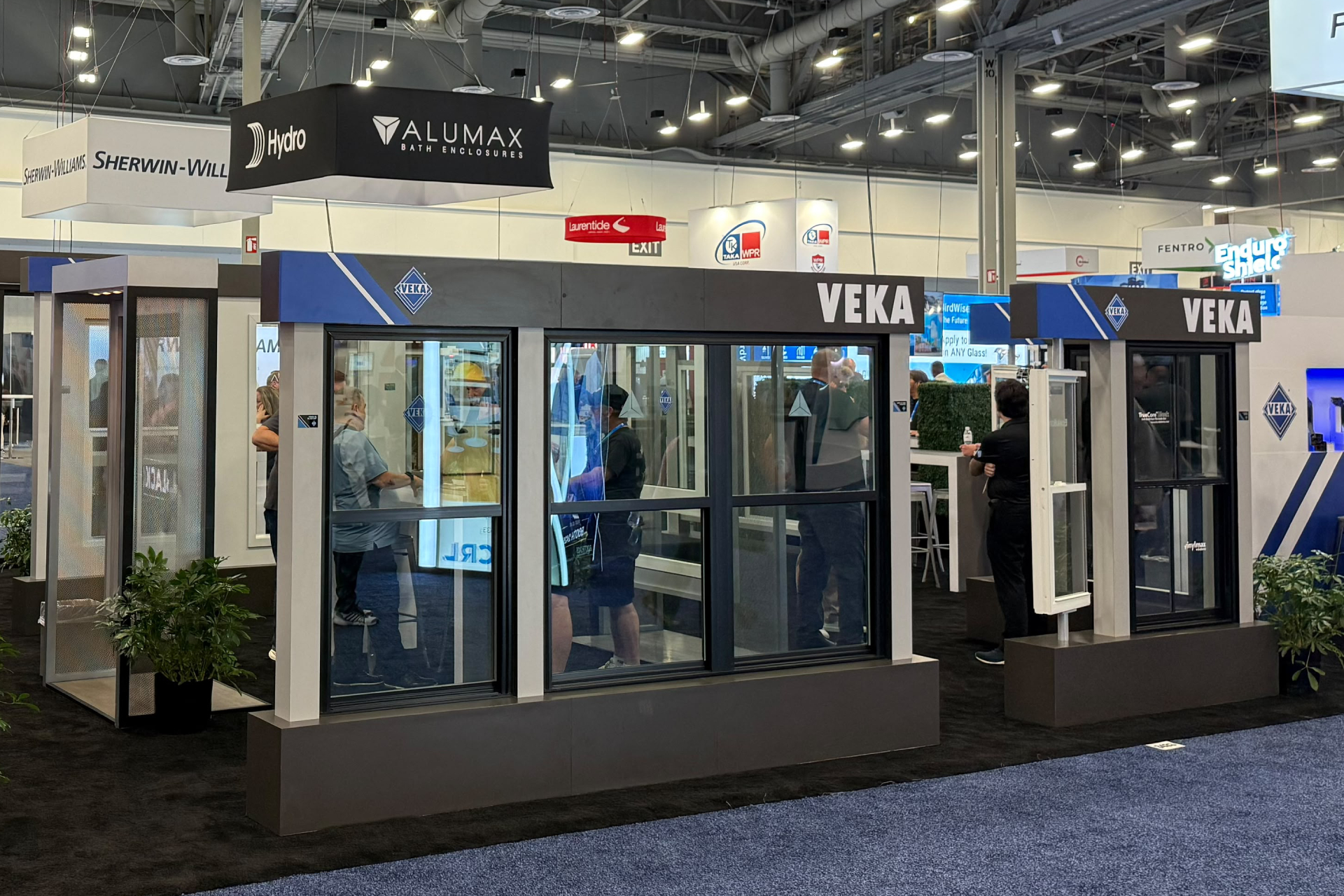
Industry media
VEKA North America Showcases Aperture Vinyl Window System with Ultra-Slim Sightlines at GlassBuild 2026
Oct 08, 2026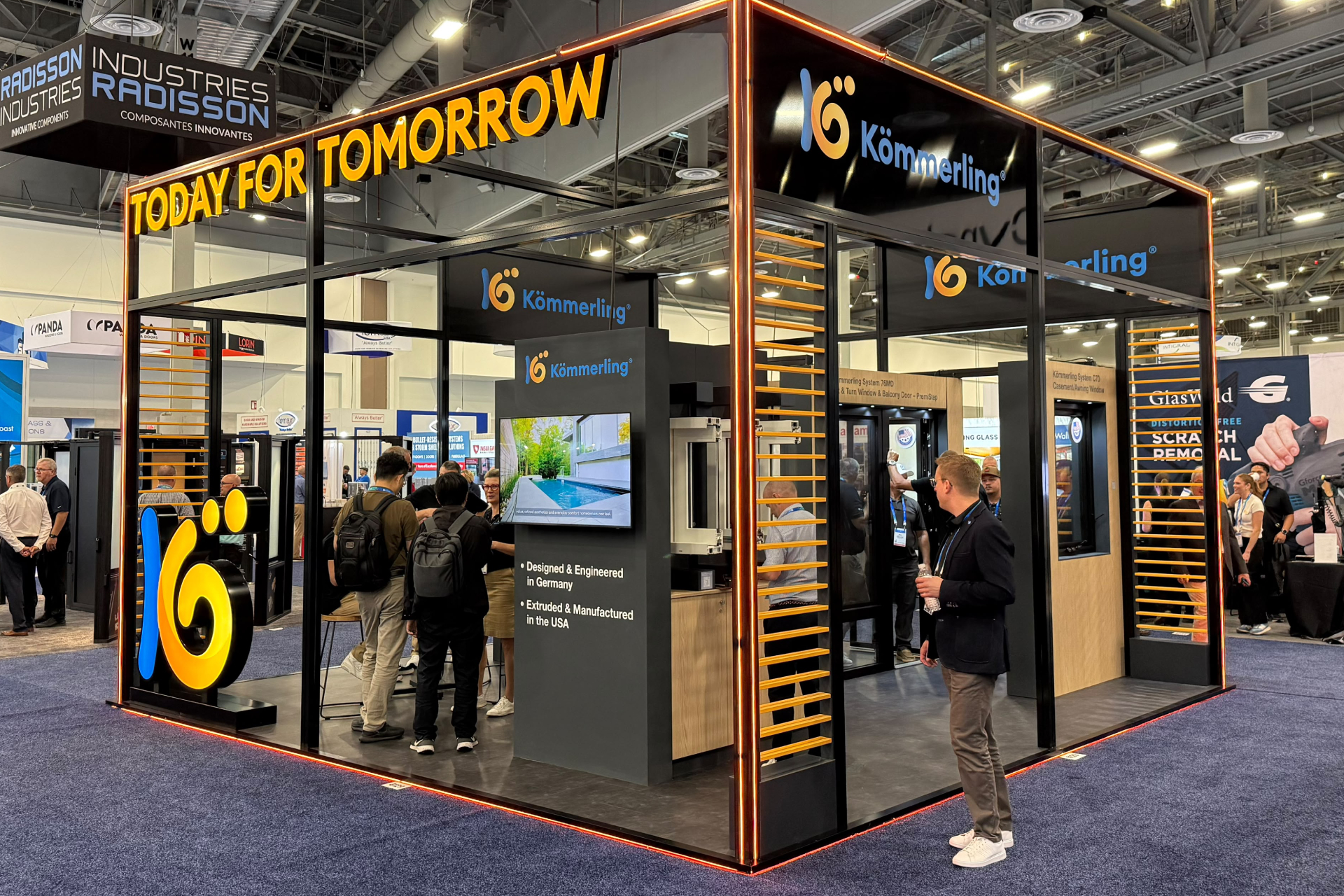
Industry media
Kömmerling Showcases German-Engineered Window and Door Systems at GlassBuild America 2026
Oct 07, 2026Get our latest news!
Latest & Best
Industry media
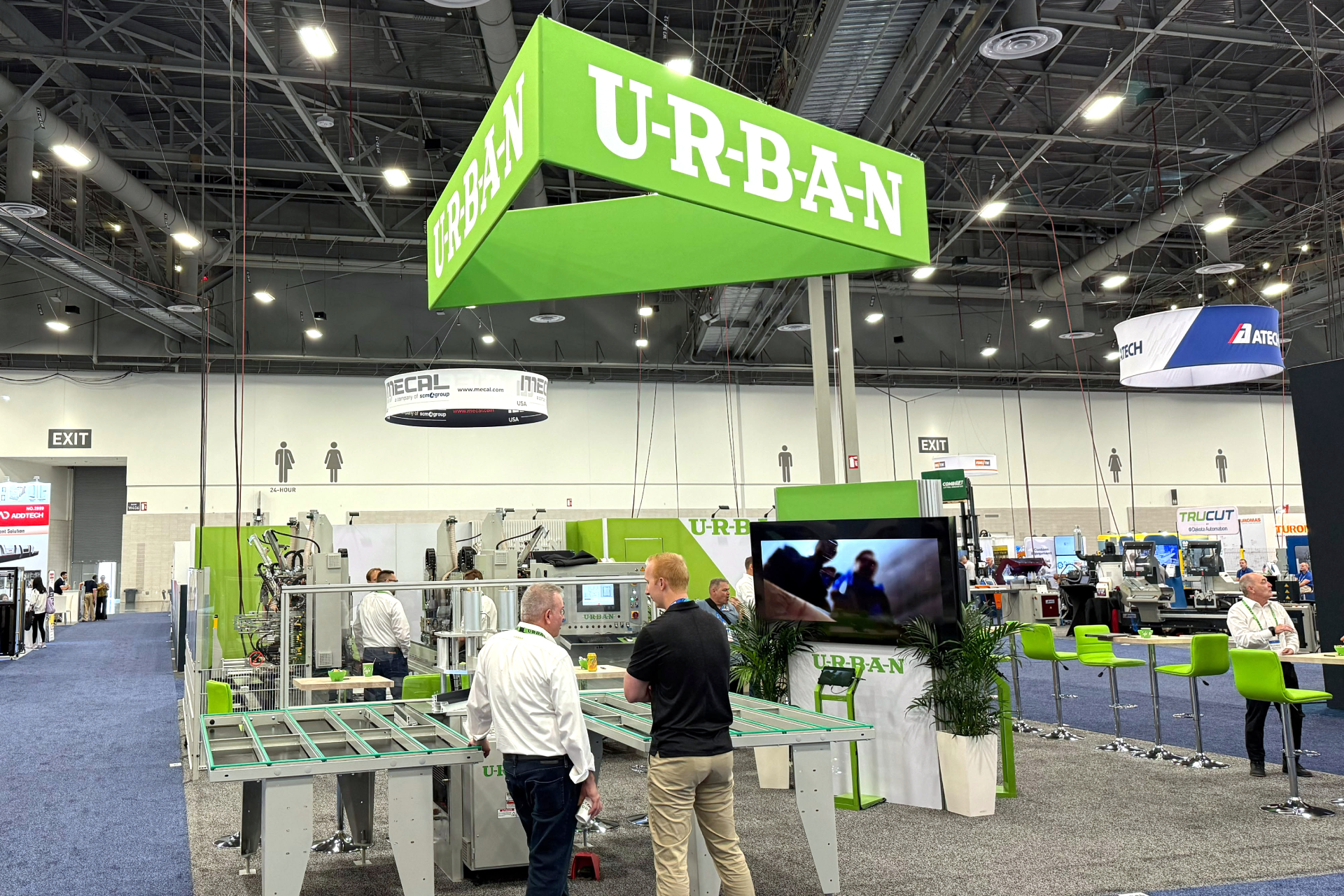
Urban Machinery adds safety package to AKS 1150-SP single point welder ahead of GlassBuild America
Oct 06, 2026
Trending News
Industry media
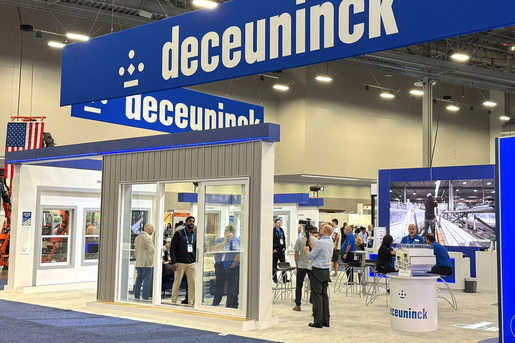
Deceuninck Cuts Patio Door Part Count Nearly in Half With New 205 System
Sep 29, 2026
Industry media
GlassBuild America 2026 Opens in Las Vegas With Focus on Industry Decision-Making
Sep 23, 2026
Industry media
High-Transparency Glazing Drives Design of LEED Gold Engineering Building at UT Dallas
Aug 20, 2026Subscribe to updates
Get the latest guides and industry news delivered to your inbox.