
FGIA and WDMA Publish Updated Installation Standard for Mounting Flange Windows
Photo by Artem Zhukov on Unsplash
FGIA and WDMA Publish Updated Installation Standard for Mounting Flange Windows

The Fenestration and Glazing Industry Alliance (FGIA) has announced the release of the 2026 edition of AAMA/WDMA 100, a jointly published standard covering installation of mounting flange windows in membrane drainage wall systems used in new construction. FGIA developed the update together with the Window & Door Manufacturers Association (WDMA). The new edition replaces a version last revised in 2012, and it matters to the market because manufacturers, builders and code officials rely on this document to set consistent installation practices for one of the most common window types used in U.S. residential and light commercial construction.
A mounting flange, also called a nailing fin, is a flat strip that runs around the perimeter of a window frame and is used to fasten the unit to the wall structure. Membrane drainage systems are wall assemblies designed with a water-resistive barrier, or membrane, that channels any water reaching behind the exterior cladding down and out of the wall rather than letting it collect inside.
AAMA/WDMA 100 is the first in a planned series of installation standards to be published jointly by FGIA and WDMA. The two organizations describe the release as a step toward greater alignment between their technical programs. The standard is now available for purchase through the online stores of both associations.
The updated document expands the scope of the previous edition. The 2012 version applied specifically to buildings in extreme wind and water exposure conditions. The 2026 edition applies to all new construction applications. The standard also now covers additional wall types beyond wood frame construction.
The revision adds guidance on liquid-applied flashing, a fluid membrane material that installers apply with a brush, roller or spray gun around the window opening to create a continuous water barrier at the jamb and head, the vertical sides and top of the rough opening. Earlier editions focused mainly on sheet-applied flashing tape. The new edition also includes expanded material compatibility requirements, guidance on integrating the window with the surrounding wall system, and more detailed instructions for installing an interior air seal, a barrier that limits air leakage on the inside face of the window opening.
Mike Liquindoli, Product Integrity Manager for JELD-WEN and WDMA co-chair of the FGIA/WDMA Installation Committee, said the standard gives the industry a modern, consensus-based reference for installing mounting flange windows in membrane drainage wall systems. He noted that the scope now extends well beyond the extreme wind and water conditions the prior edition addressed, and that the update adds liquid-applied flashing methods, stronger material compatibility requirements and clearer guidance on interior air seal design and installation.
Lynn Miller, Code Compliance Manager for MITER Brands and FGIA co-chair of the same committee, said following the installation standard supports better window performance, improved water management at the rough opening and stronger overall building envelope durability. She said those results translate into practical value for customers across the industry.
The standard describes methods intended to let incidental water that enters through small gaps, whether in the cladding, window joinery or the installation joints around the window perimeter, drain onto the membrane and exit the wall rather than penetrate further into the structure.
AAMA/WDMA 100 carries weight beyond voluntary adoption. The Florida Building Code references the standard directly, and many window manufacturers cite it in their own product installation instructions. Because of that regulatory and manufacturer-level reference, the 2026 update is likely to influence installation practices and training across a broad segment of the new construction market, particularly as builders and installers work to meet current expectations for water management and air sealing at window openings.
A mounting flange, also called a nailing fin, is a flat strip that runs around the perimeter of a window frame and is used to fasten the unit to the wall structure. Membrane drainage systems are wall assemblies designed with a water-resistive barrier, or membrane, that channels any water reaching behind the exterior cladding down and out of the wall rather than letting it collect inside.
AAMA/WDMA 100 is the first in a planned series of installation standards to be published jointly by FGIA and WDMA. The two organizations describe the release as a step toward greater alignment between their technical programs. The standard is now available for purchase through the online stores of both associations.
The updated document expands the scope of the previous edition. The 2012 version applied specifically to buildings in extreme wind and water exposure conditions. The 2026 edition applies to all new construction applications. The standard also now covers additional wall types beyond wood frame construction.
The revision adds guidance on liquid-applied flashing, a fluid membrane material that installers apply with a brush, roller or spray gun around the window opening to create a continuous water barrier at the jamb and head, the vertical sides and top of the rough opening. Earlier editions focused mainly on sheet-applied flashing tape. The new edition also includes expanded material compatibility requirements, guidance on integrating the window with the surrounding wall system, and more detailed instructions for installing an interior air seal, a barrier that limits air leakage on the inside face of the window opening.
Mike Liquindoli, Product Integrity Manager for JELD-WEN and WDMA co-chair of the FGIA/WDMA Installation Committee, said the standard gives the industry a modern, consensus-based reference for installing mounting flange windows in membrane drainage wall systems. He noted that the scope now extends well beyond the extreme wind and water conditions the prior edition addressed, and that the update adds liquid-applied flashing methods, stronger material compatibility requirements and clearer guidance on interior air seal design and installation.
Lynn Miller, Code Compliance Manager for MITER Brands and FGIA co-chair of the same committee, said following the installation standard supports better window performance, improved water management at the rough opening and stronger overall building envelope durability. She said those results translate into practical value for customers across the industry.
The standard describes methods intended to let incidental water that enters through small gaps, whether in the cladding, window joinery or the installation joints around the window perimeter, drain onto the membrane and exit the wall rather than penetrate further into the structure.
AAMA/WDMA 100 carries weight beyond voluntary adoption. The Florida Building Code references the standard directly, and many window manufacturers cite it in their own product installation instructions. Because of that regulatory and manufacturer-level reference, the 2026 update is likely to influence installation practices and training across a broad segment of the new construction market, particularly as builders and installers work to meet current expectations for water management and air sealing at window openings.
Related news
Industry media
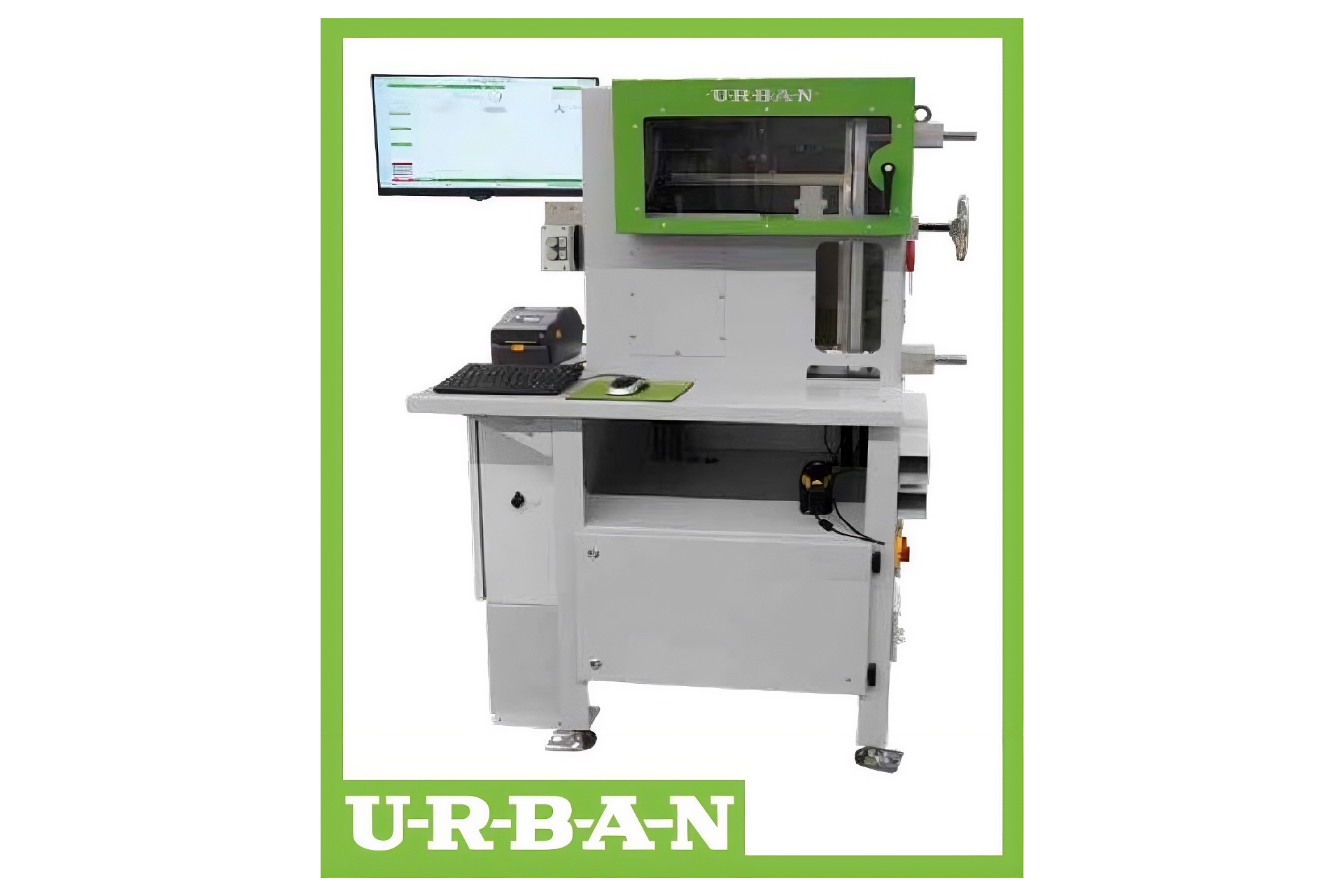
URBAN Showcased New Corner Break Tester at GlassBuild America in Las Vegas
Oct 12, 2026
Industry media
ISO 9001:2026 Takes Effect as Window and Door Manufacturers Face New Certification Requirements
Oct 09, 2026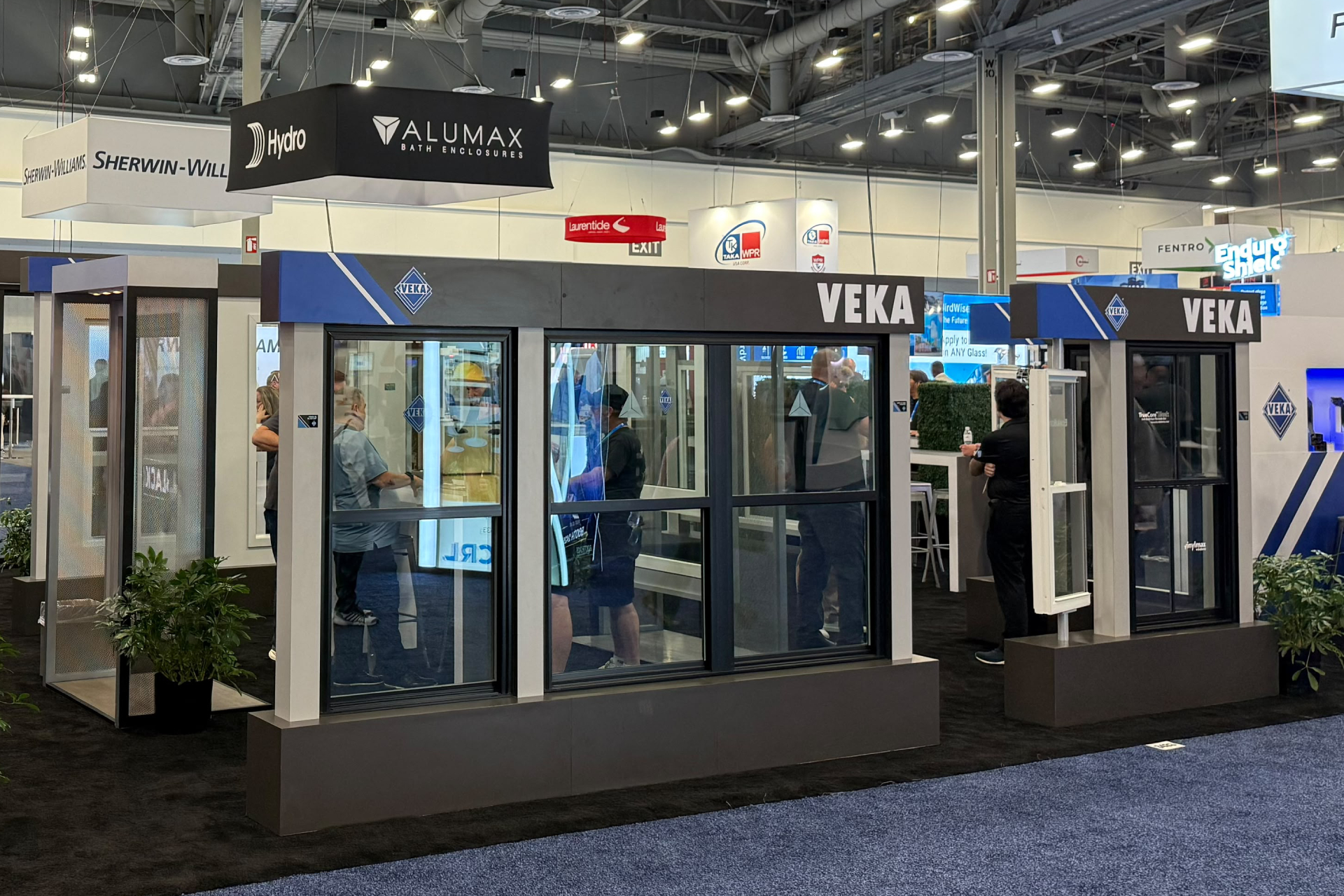
Industry media
VEKA North America Showcases Aperture Vinyl Window System with Ultra-Slim Sightlines at GlassBuild 2026
Oct 08, 2026
Industry media
Kömmerling Showcases German-Engineered Window and Door Systems at GlassBuild America 2026
Oct 07, 2026Get our latest news!
Latest & Best
Industry media
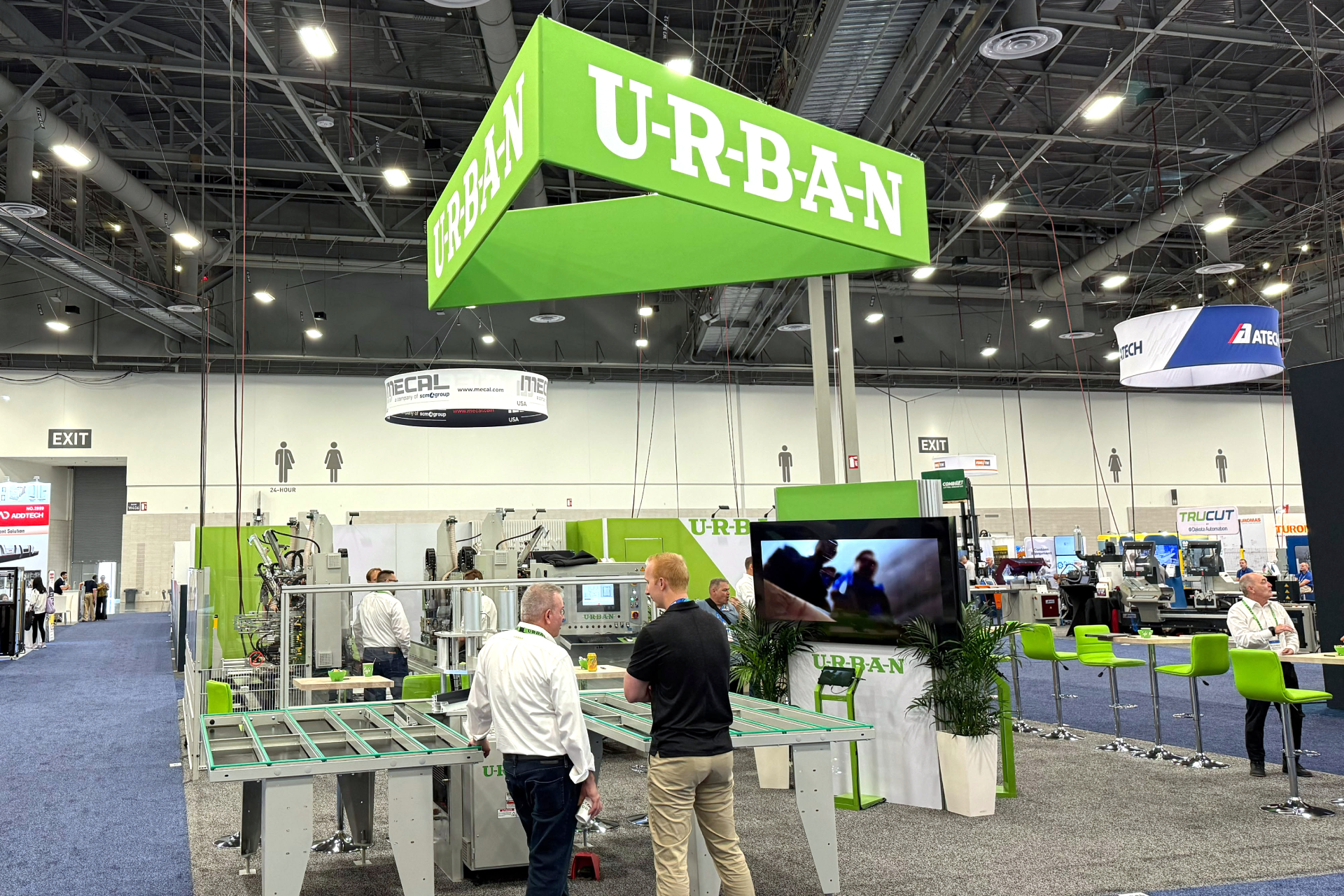
Urban Machinery adds safety package to AKS 1150-SP single point welder ahead of GlassBuild America
Oct 06, 2026
Trending News
Industry media
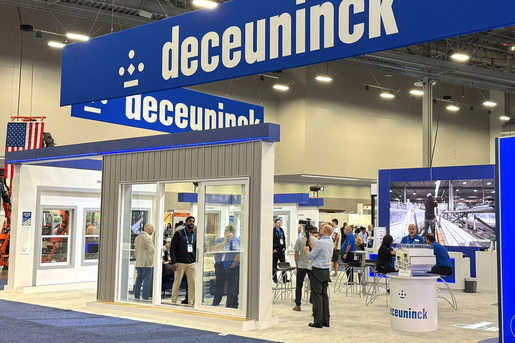
Deceuninck Cuts Patio Door Part Count Nearly in Half With New 205 System
Sep 29, 2026
Industry media
GlassBuild America 2026 Opens in Las Vegas With Focus on Industry Decision-Making
Sep 23, 2026
Industry media
High-Transparency Glazing Drives Design of LEED Gold Engineering Building at UT Dallas
Aug 20, 2026Subscribe to updates
Get the latest guides and industry news delivered to your inbox.