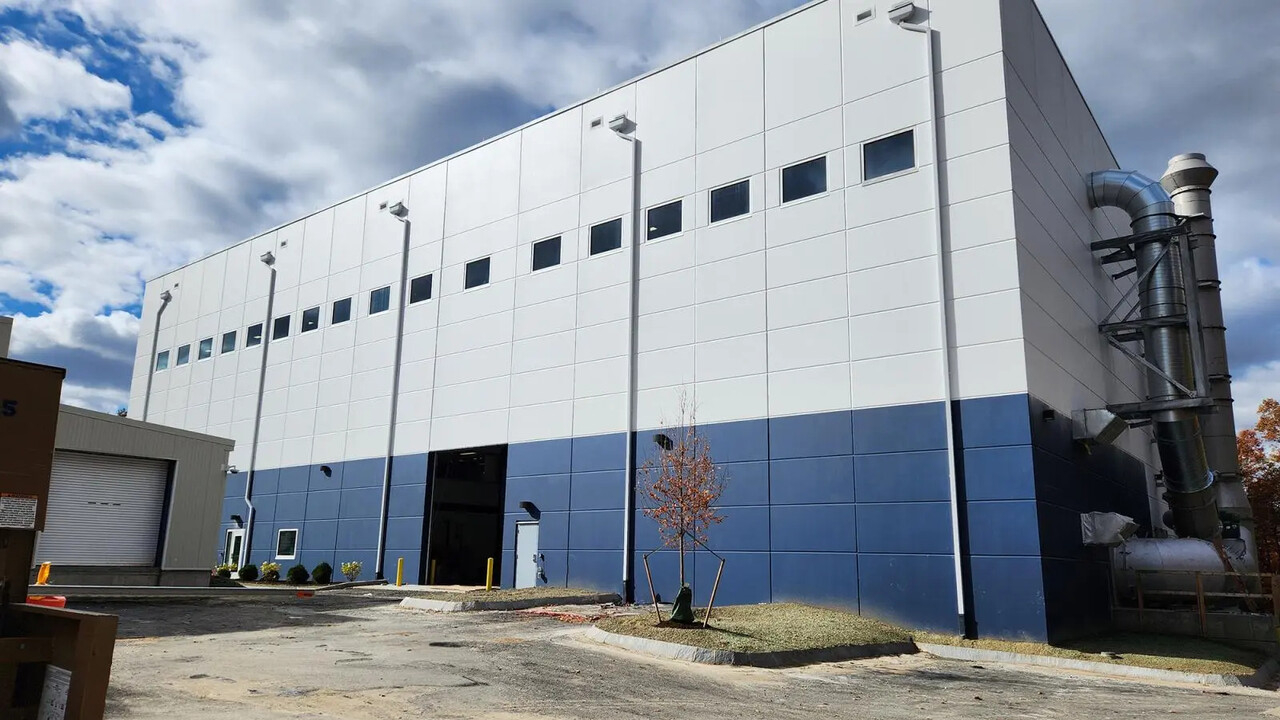
Saint-Gobain Opens First North American Fire Testing Lab at Massachusetts Innovation Hub
Saint-Gobain Building System Fire Testing Center
Saint-Gobain North America
Saint-Gobain Opens First North American Fire Testing Lab at Massachusetts Innovation Hub

Saint-Gobain North America has opened its first fire testing laboratory in North America, the company announced. The new lab, a nearly $30 million investment, is located at the company's Innovation Hub North America campus in Northborough and Marlborough, Massachusetts. The opening gives Saint-Gobain in-house capability to test building materials for fire certification compliance, a step that could speed up product development for window, door, and other construction material manufacturers under its umbrella.
The 15,000-square-foot facility broke ground in October 2024. Construction involved more than 40 local trade partners and subcontractors. The lab sits on a 26-acre campus that until recently operated under the name Saint-Gobain Research North America.
The facility is designed to meet ANSI/UL and CAN/ULC standards, the primary North American s for measuring how construction materials perform under fire conditions. ANSI/UL refers to standards developed jointly by the American National Standards Institute and UL Solutions (formerly Underwriters Laboratories), while CAN/ULC covers the Canadian equivalent. Meeting these standards is typically a prerequisite for manufacturers seeking product certification for use in building projects.
Saint-Gobain says the lab can test internal and external wall and floor systems, both loaded and unloaded, along with structural steel fire protection coatings. The facility also performs hose stream testing, which simulates the physical impact of firefighting water pressure on a material after it has been exposed to flame. This test helps determine whether a fire-resistant assembly retains its structural integrity in actual firefighting conditions, not just when exposed to heat alone.
Two furnaces at the facility run on fully electronic controls, which Saint-Gobain says allow for more precise temperature management during testing than mechanical systems. The company also installed emissions control equipment designed to reduce the lab's carbon output compared to conventional fire-testing furnaces and to limit odor and emissions affecting nearby neighborhoods.
"Resiliency, passive fire protection, and occupant safety in building materials matter more in construction today than they used to," said Todd DiNoia, Saint-Gobain's vice president of innovation and R&D. He said the lab is intended to help the company bring fire-tested products to market faster while supporting its broader emissions reduction goals.
For manufacturers of windows, doors, and curtain wall systems, in-house fire testing capability can shorten the certification timeline for new products, since companies no longer need to rely solely on third-party labs, which often carry long wait times and scheduling backlogs industry-wide. Faster access to certification testing is particularly relevant for commercial glazing and door assemblies, where fire ratings are a routine code requirement in multifamily, institutional, and mixed-use construction.
The fire lab adds to existing acoustic and weather testing capabilities already housed at the Northborough campus, giving Saint-Gobain a broader set of in-house testing services for commercial construction products. Company officials described the investment as part of a larger, decade-long modernization of the campus, which now employs more than 400 people on-site.
The 15,000-square-foot facility broke ground in October 2024. Construction involved more than 40 local trade partners and subcontractors. The lab sits on a 26-acre campus that until recently operated under the name Saint-Gobain Research North America.
The facility is designed to meet ANSI/UL and CAN/ULC standards, the primary North American s for measuring how construction materials perform under fire conditions. ANSI/UL refers to standards developed jointly by the American National Standards Institute and UL Solutions (formerly Underwriters Laboratories), while CAN/ULC covers the Canadian equivalent. Meeting these standards is typically a prerequisite for manufacturers seeking product certification for use in building projects.
Saint-Gobain says the lab can test internal and external wall and floor systems, both loaded and unloaded, along with structural steel fire protection coatings. The facility also performs hose stream testing, which simulates the physical impact of firefighting water pressure on a material after it has been exposed to flame. This test helps determine whether a fire-resistant assembly retains its structural integrity in actual firefighting conditions, not just when exposed to heat alone.
Two furnaces at the facility run on fully electronic controls, which Saint-Gobain says allow for more precise temperature management during testing than mechanical systems. The company also installed emissions control equipment designed to reduce the lab's carbon output compared to conventional fire-testing furnaces and to limit odor and emissions affecting nearby neighborhoods.
"Resiliency, passive fire protection, and occupant safety in building materials matter more in construction today than they used to," said Todd DiNoia, Saint-Gobain's vice president of innovation and R&D. He said the lab is intended to help the company bring fire-tested products to market faster while supporting its broader emissions reduction goals.
For manufacturers of windows, doors, and curtain wall systems, in-house fire testing capability can shorten the certification timeline for new products, since companies no longer need to rely solely on third-party labs, which often carry long wait times and scheduling backlogs industry-wide. Faster access to certification testing is particularly relevant for commercial glazing and door assemblies, where fire ratings are a routine code requirement in multifamily, institutional, and mixed-use construction.
The fire lab adds to existing acoustic and weather testing capabilities already housed at the Northborough campus, giving Saint-Gobain a broader set of in-house testing services for commercial construction products. Company officials described the investment as part of a larger, decade-long modernization of the campus, which now employs more than 400 people on-site.
Related news
Industry media
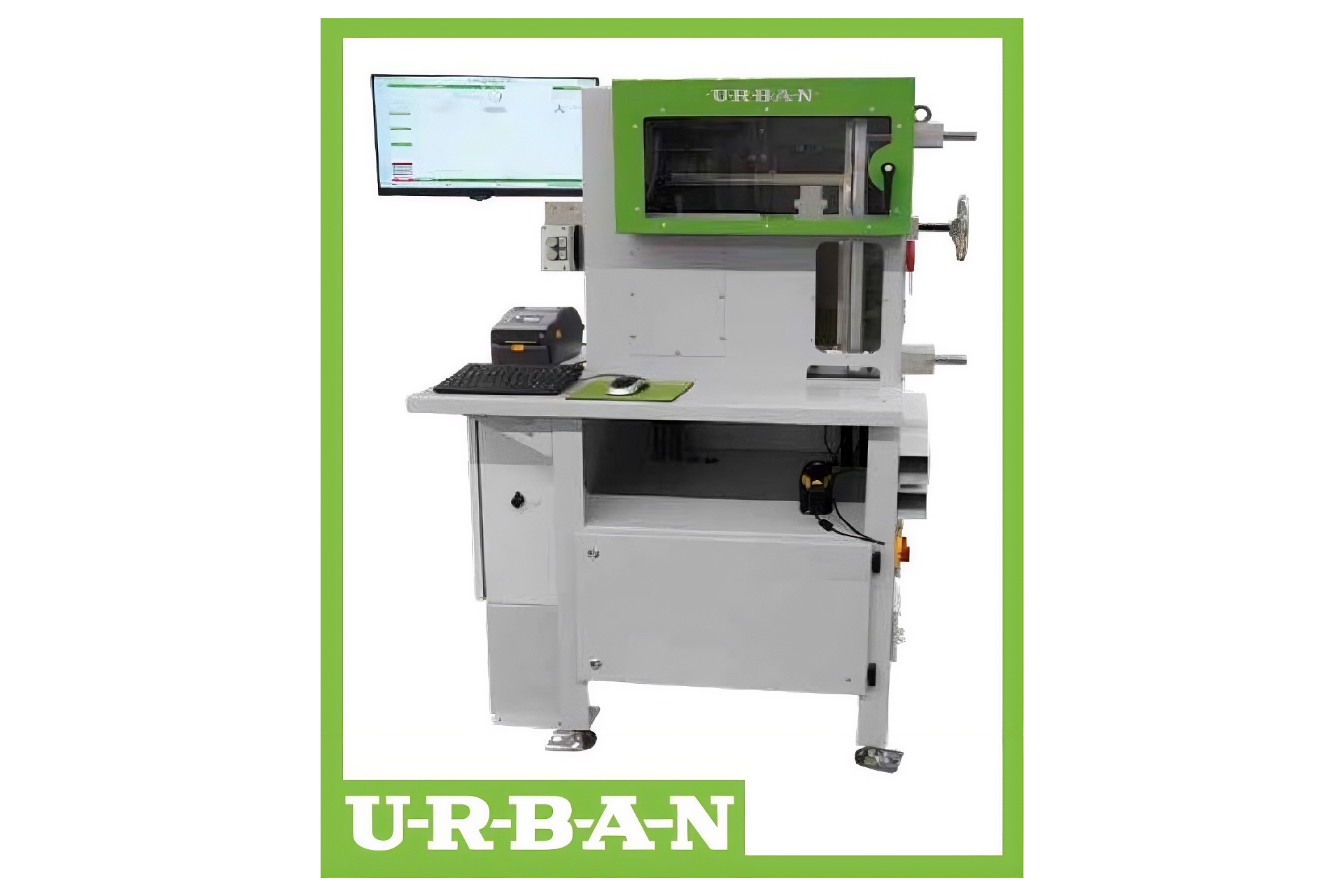
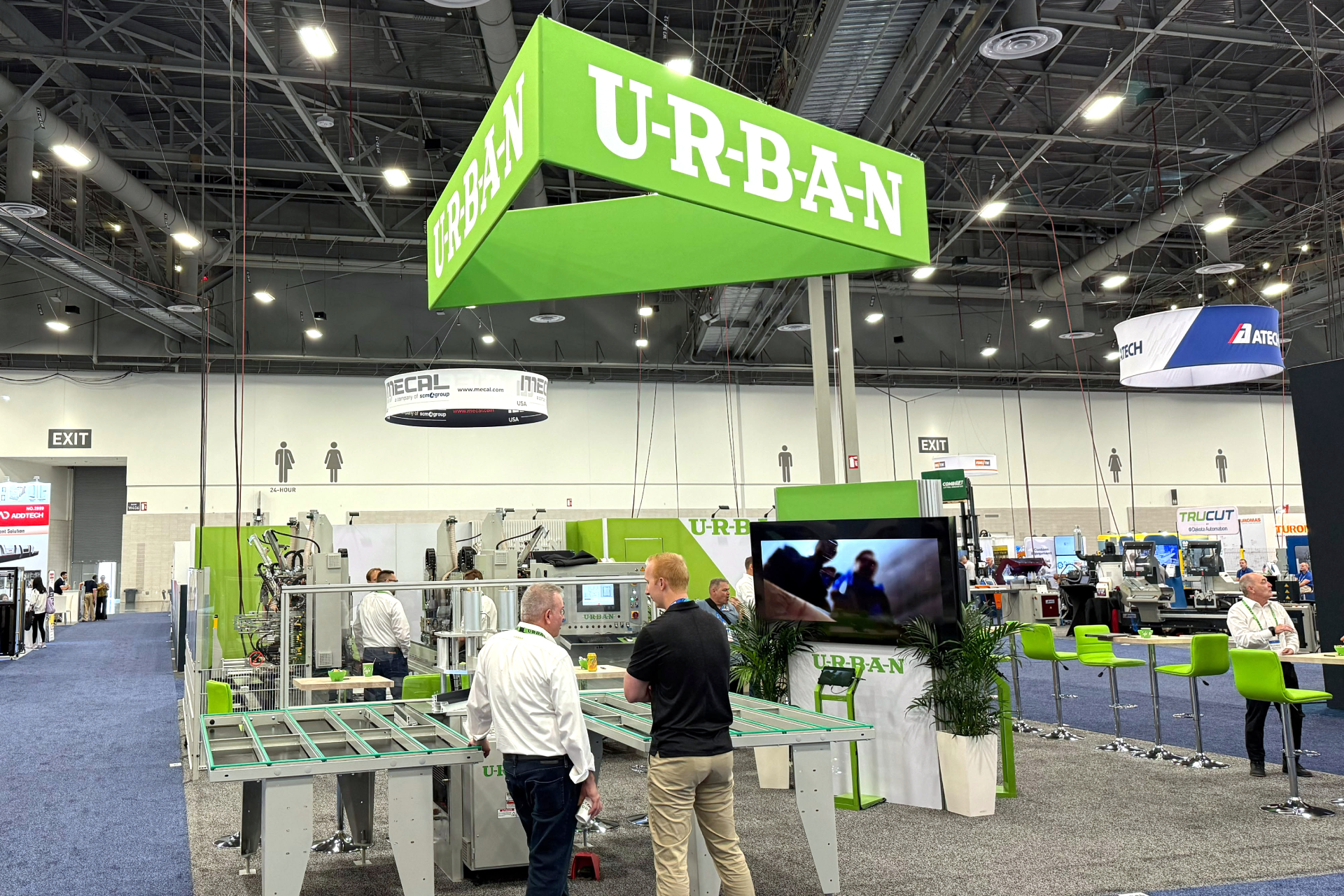
URBAN Showcased New Corner Break Tester at GlassBuild America in Las Vegas
Oct 12, 2026
Industry media
ISO 9001:2026 Takes Effect as Window and Door Manufacturers Face New Certification Requirements
Oct 09, 2026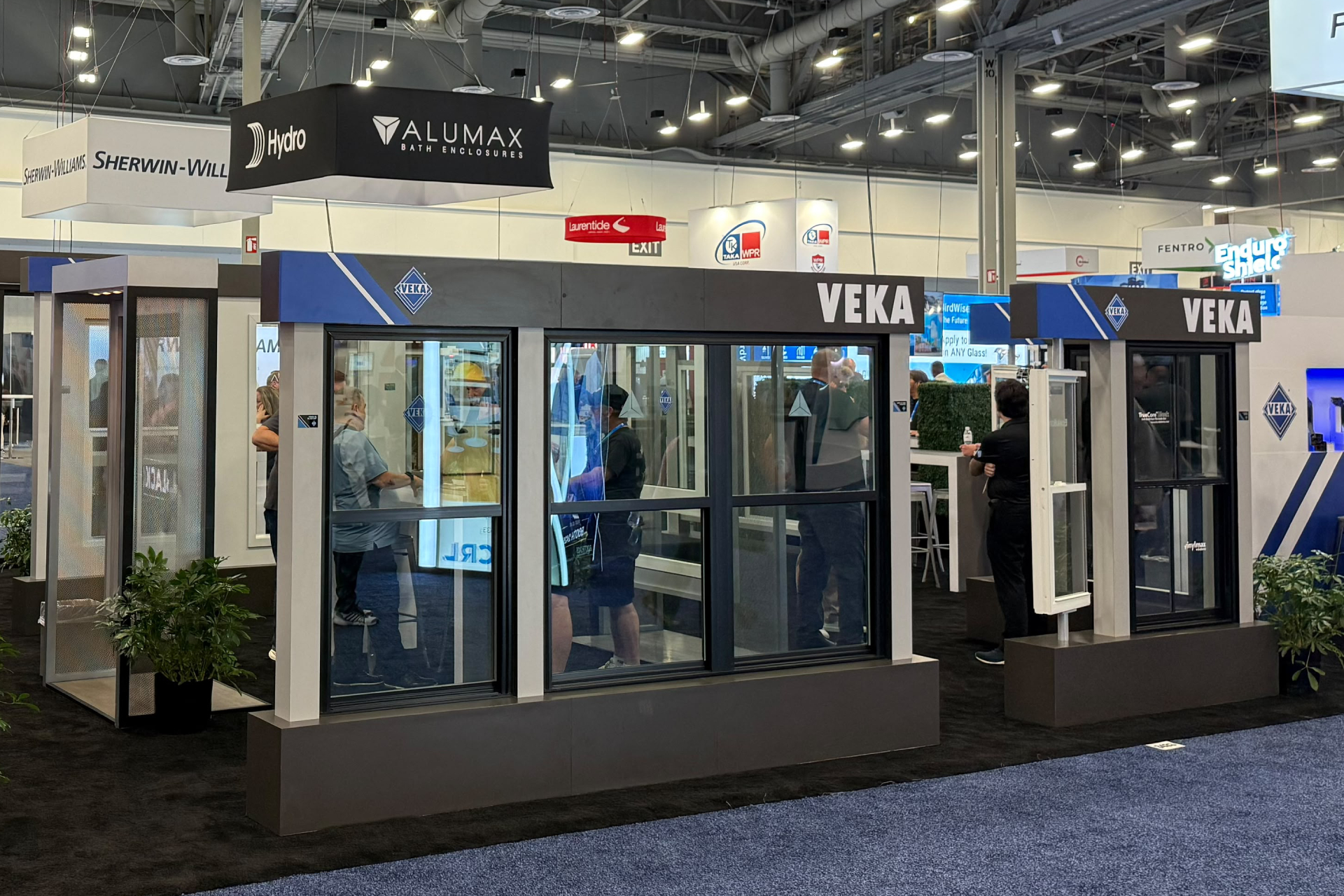
Industry media
VEKA North America Showcases Aperture Vinyl Window System with Ultra-Slim Sightlines at GlassBuild 2026
Oct 08, 2026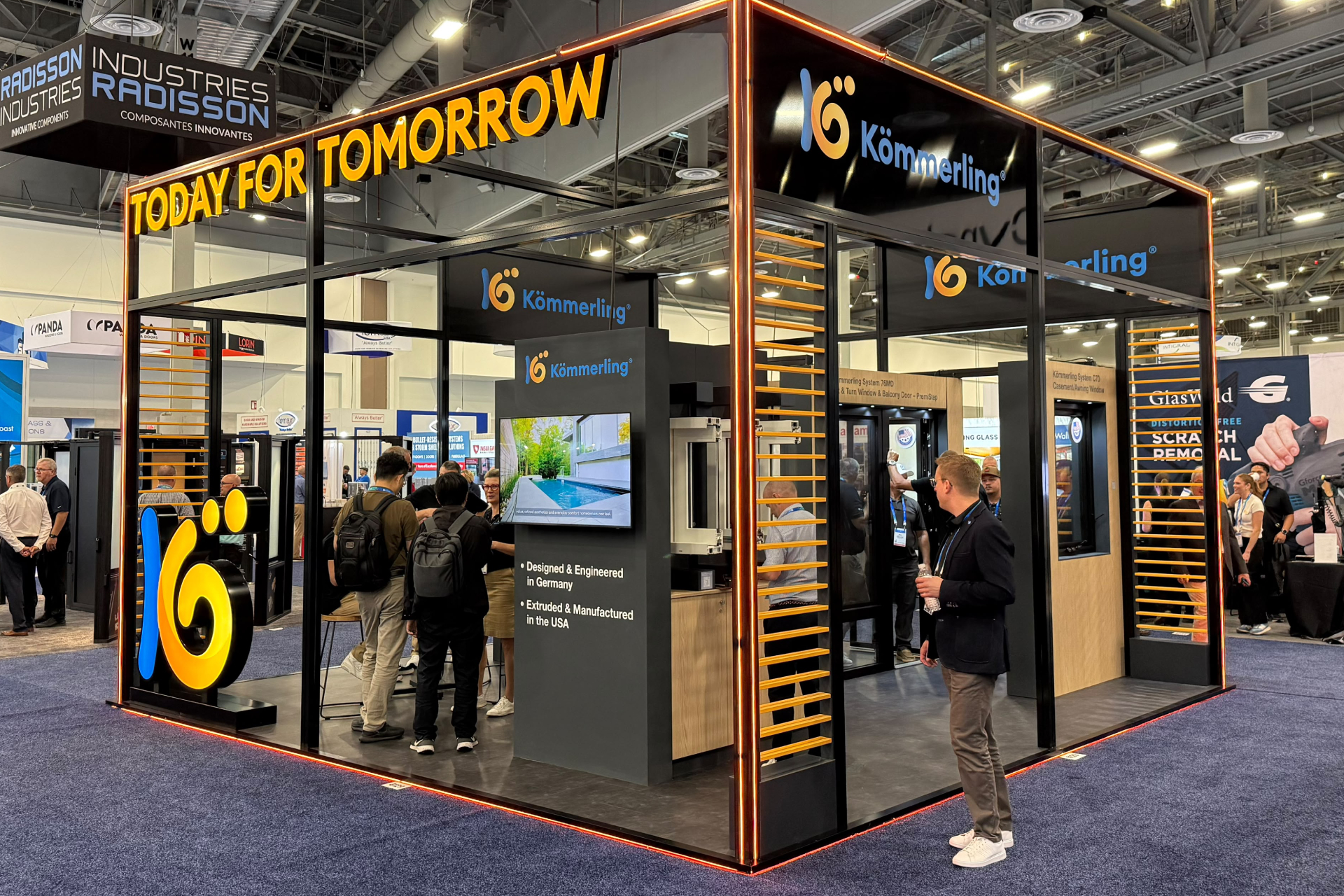
Industry media
Kömmerling Showcases German-Engineered Window and Door Systems at GlassBuild America 2026
Oct 07, 2026Get our latest news!
Latest & Best
Industry media
Urban Machinery adds safety package to AKS 1150-SP single point welder ahead of GlassBuild America
Oct 06, 2026
Trending News
Industry media
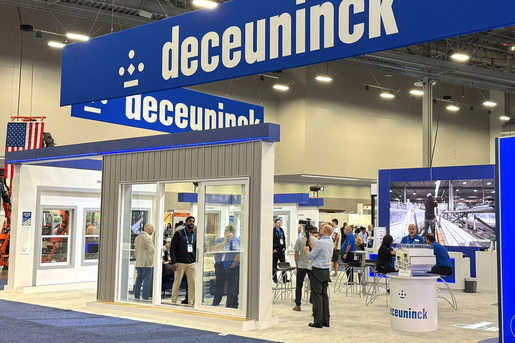
Deceuninck Cuts Patio Door Part Count Nearly in Half With New 205 System
Sep 29, 2026
Industry media
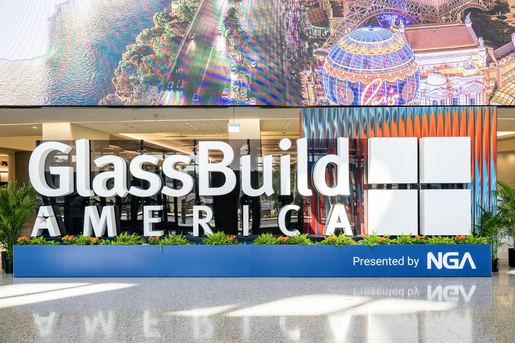
GlassBuild America 2026 Opens in Las Vegas With Focus on Industry Decision-Making
Sep 23, 2026
Industry media
High-Transparency Glazing Drives Design of LEED Gold Engineering Building at UT Dallas
Aug 20, 2026Subscribe to updates
Get the latest guides and industry news delivered to your inbox.