FGIA Refreshes Three Seismic Test Standards for Window and Curtain Wall Systems
Photo by Bernd Dittrich on Unsplash
FGIA Refreshes Three Seismic Test Standards for Window and Curtain Wall Systems

The Fenestration and Glazing Industry Alliance (FGIA) has published updated versions of three technical documents covering recommended test methods for seismic-related movement in fenestration systems, the association announced. The revisions matter to manufacturers and testing labs because they align terminology and procedures across documents that engineers and code officials rely on to evaluate how windows, curtain walls and storefront systems perform during earthquakes.
The three updated documents are AAMA 501.4, AAMA 501.6 and AAMA 501.7. AAMA 501.7 was last revised in 2017, while AAMA 501.4 and 501.6 were last updated in 2018.
AAMA 501.4 covers the recommended test method for lateral inter-story movements, commonly called drift. This document outlines how to evaluate window, window wall, curtain wall and storefront systems when they are subjected to specified horizontal displacements within the plane of the wall. Inter-story drift refers to the relative horizontal movement between one floor of a building and the floor above or below it, which occurs during seismic activity.
AAMA 501.6 addresses the recommended dynamic test method for determining the seismic lateral inter-story movement that causes glass fallout. The document establishes a way to measure the horizontal racking displacement that architectural glass panels can withstand before falling out of their frames, based on controlled laboratory testing. Racking displacement describes the shear-like distortion a wall system experiences when a building sways during an earthquake.
AAMA 501.7 focuses on vertical inter-story movements rather than horizontal ones. It provides a test method for evaluating how windows, window walls, curtain walls and storefront systems perform when subjected to specified vertical displacements, which can occur alongside lateral movement during seismic events.
According to Lothar Erkens of Winco Window Company, vice chair of the FGIA Seismic and Wind-Induced Inter-Story Drift Review Task Group, the central update across all three documents is consistency. He said the task group's main goal was to bring AAMA 501.4, 501.6 and 501.7 into alignment with one another. Erkens noted that AAMA 501.4 and 501.6 originated as a single document before being split into two separate standards, and that keeping the resulting texts consistent with each other remained a priority for the task group.
The alignment work addresses a practical concern for manufacturers and testing laboratories that reference multiple seismic standards during product development and code compliance. When companion documents use different terminology or testing procedures for related phenomena, it can create confusion during certification and complicate comparisons between test results. Standardized, mutually consistent test methods give architects, engineers and code officials a clearer basis for specifying and approving fenestration systems in seismic zones, which remains a significant consideration in states such as California and other regions with active fault lines.
The three updated documents are AAMA 501.4, AAMA 501.6 and AAMA 501.7. AAMA 501.7 was last revised in 2017, while AAMA 501.4 and 501.6 were last updated in 2018.
AAMA 501.4 covers the recommended test method for lateral inter-story movements, commonly called drift. This document outlines how to evaluate window, window wall, curtain wall and storefront systems when they are subjected to specified horizontal displacements within the plane of the wall. Inter-story drift refers to the relative horizontal movement between one floor of a building and the floor above or below it, which occurs during seismic activity.
AAMA 501.6 addresses the recommended dynamic test method for determining the seismic lateral inter-story movement that causes glass fallout. The document establishes a way to measure the horizontal racking displacement that architectural glass panels can withstand before falling out of their frames, based on controlled laboratory testing. Racking displacement describes the shear-like distortion a wall system experiences when a building sways during an earthquake.
AAMA 501.7 focuses on vertical inter-story movements rather than horizontal ones. It provides a test method for evaluating how windows, window walls, curtain walls and storefront systems perform when subjected to specified vertical displacements, which can occur alongside lateral movement during seismic events.
According to Lothar Erkens of Winco Window Company, vice chair of the FGIA Seismic and Wind-Induced Inter-Story Drift Review Task Group, the central update across all three documents is consistency. He said the task group's main goal was to bring AAMA 501.4, 501.6 and 501.7 into alignment with one another. Erkens noted that AAMA 501.4 and 501.6 originated as a single document before being split into two separate standards, and that keeping the resulting texts consistent with each other remained a priority for the task group.
The alignment work addresses a practical concern for manufacturers and testing laboratories that reference multiple seismic standards during product development and code compliance. When companion documents use different terminology or testing procedures for related phenomena, it can create confusion during certification and complicate comparisons between test results. Standardized, mutually consistent test methods give architects, engineers and code officials a clearer basis for specifying and approving fenestration systems in seismic zones, which remains a significant consideration in states such as California and other regions with active fault lines.
Related news
Industry media
URBAN Showcased New Corner Break Tester at GlassBuild America in Las Vegas
Oct 12, 2026
Industry media
ISO 9001:2026 Takes Effect as Window and Door Manufacturers Face New Certification Requirements
Oct 09, 2026
Industry media
VEKA North America Showcases Aperture Vinyl Window System with Ultra-Slim Sightlines at GlassBuild 2026
Oct 08, 2026
Industry media
Kömmerling Showcases German-Engineered Window and Door Systems at GlassBuild America 2026
Oct 07, 2026Get our latest news!
Latest & Best
Industry media
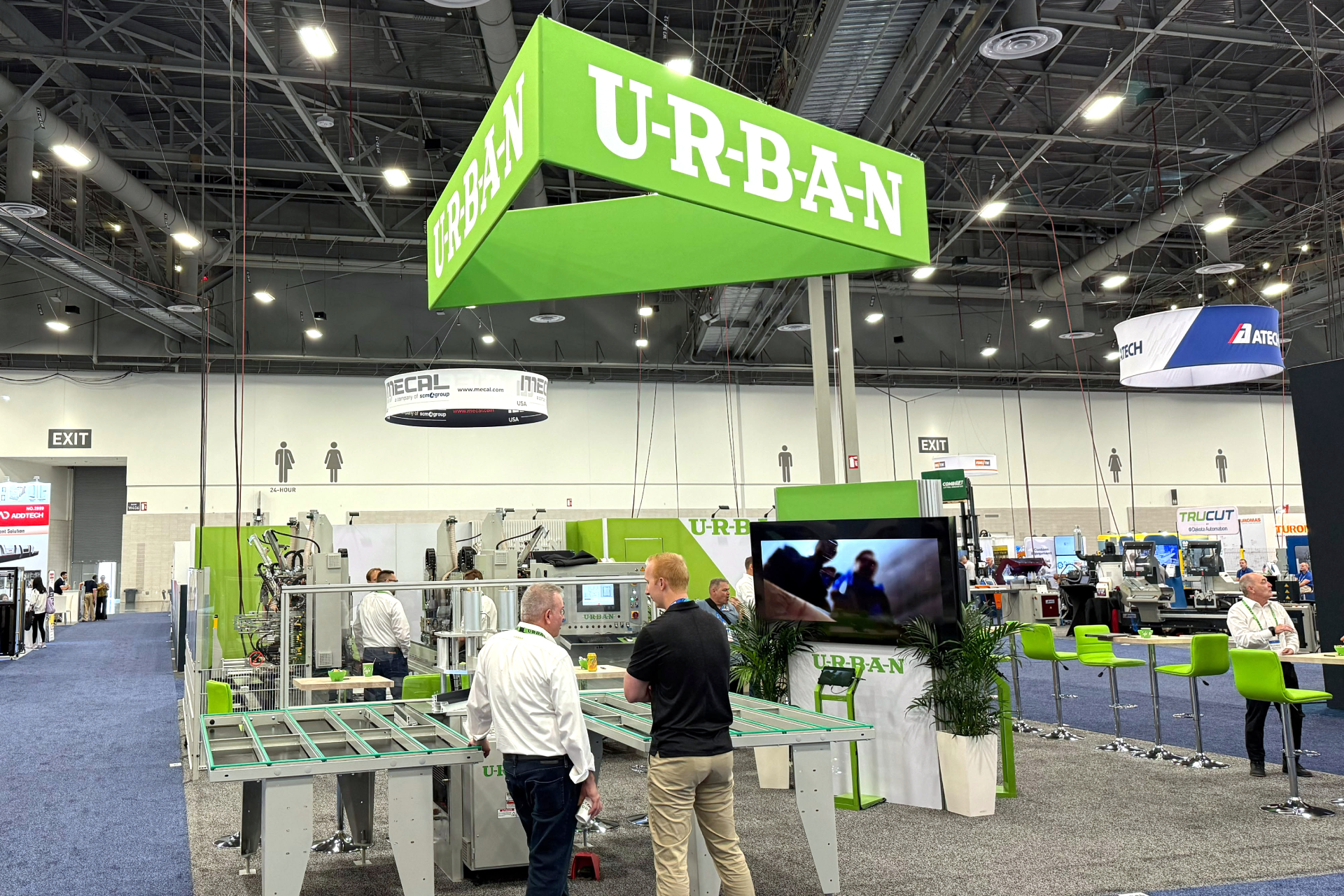
Urban Machinery adds safety package to AKS 1150-SP single point welder ahead of GlassBuild America
Oct 06, 2026
Trending News
Industry media
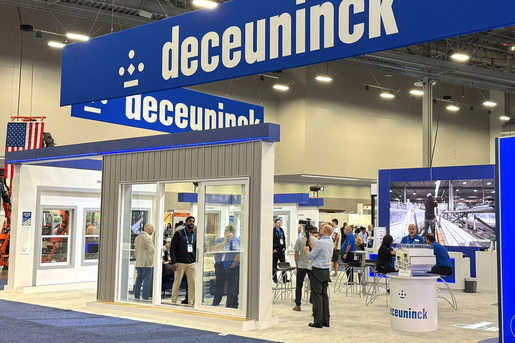
Deceuninck Cuts Patio Door Part Count Nearly in Half With New 205 System
Sep 29, 2026
Industry media
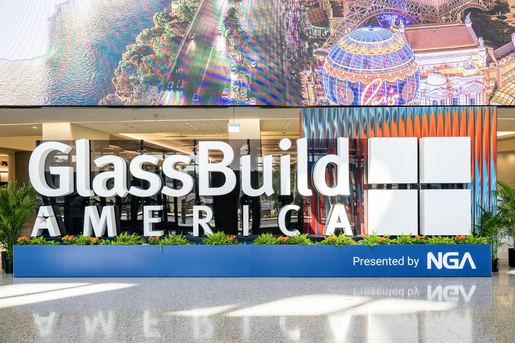
GlassBuild America 2026 Opens in Las Vegas With Focus on Industry Decision-Making
Sep 23, 2026
Industry media
High-Transparency Glazing Drives Design of LEED Gold Engineering Building at UT Dallas
Aug 20, 2026Subscribe to updates
Get the latest guides and industry news delivered to your inbox.